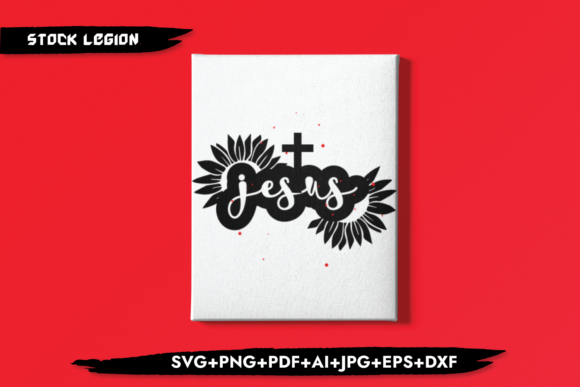
The Art of Faith: Blending Jesus Lettering, Petals, and Cross in Modern Design
There is something profoundly moving about the intersection of sacred symbols and artistic expression. When you combine Jesus Lettering Petals and Cross into a single visual composition, you create more than just a design—you craft a statement of faith that speaks to the heart. This fusion of typography, floral elements, and the central symbol of Christianity has gained remarkable traction across various creative fields, from graphic design to calligraphy, wedding stationery to wall art. Understanding how to wield these elements effectively requires both technical know-how and spiritual sensitivity.
Why the Combination of Lettering, Petals, and the Cross Resonates
The cross alone carries immense weight. It is the universal emblem of sacrifice, redemption, and hope. Add lettering that spells the name of Jesus or quotes Scripture, and you personalize that symbolism. Introduce petals—whether roses, lilies, or abstract blossoms—and you soften the starkness of the cross while layering in meanings of new life, beauty, and the fragility of human existence. When designers weave Jesus Lettering Petals and Cross together, they are effectively telling a story of grace that blooms from suffering.
This triad appeals to a broad audience. Church creatives use it for sermon series branding. Couples incorporate it into Christian wedding invitations. Small business owners create custom merchandise for faith-based shops. Even individuals crafting home decor find that this combination balances reverence with approachability—it does not feel cold or overly austere. Instead, it invites contemplation.
Understanding the Role of Typography in Faith-Based Art
Lettering is never neutral. Every curve, serif, and stroke carries emotional undercurrents. When you work with Jesus Lettering Petals and Cross, the typography you choose must align with the message you want to send. A delicate script font might suggest intimacy and tenderness—ideal for a piece focused on Jesus as shepherd or friend. A bold, textured brush lettering, on the other hand, conveys strength and authority, fitting for themes of triumph over death.
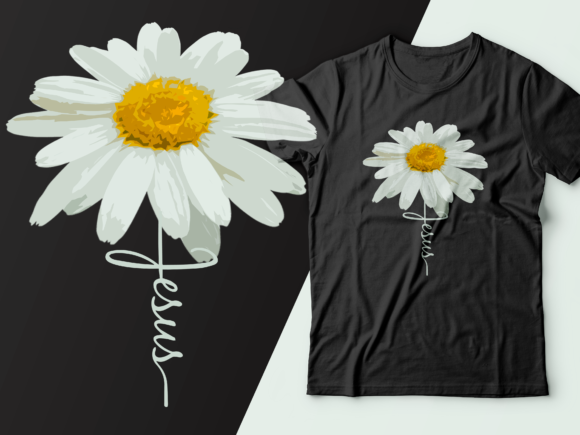
Consider the space you are filling. If the cross stands at the center with petals radiating outward, the lettering needs to follow the visual rhythm. You might wrap the word "Jesus" around the crossbeam, or let it cascade like a vine intertwined with blossoms. The key is legibility without sacrificing artistry. People who purchase or display such pieces want to read the name clearly, but they also want to feel the emotion behind the letters.
One practical tip: test your lettering at multiple sizes. A design that reads beautifully on a tablet screen may become muddled when printed on a canvas or engraved on wood. The interplay between Jesus Lettering Petals and Cross demands that each element has room to breathe. Crowding the composition defeats its purpose.
Selecting Floral Motifs That Complement the Cross
Not all petals are created equal in the context of Christian symbolism. The rose, for instance, has long been associated with the Virgin Mary and divine love. Lilies represent purity and resurrection. Olive branches signal peace. Even generic wildflowers can suggest the beauty of God’s creation. When you pair these with Jesus Lettering Petals and Cross, you should consider the season, the occasion, and the intended emotional tone.
For a Lenten or Good Friday piece, thorny stems or deep crimson petals can evoke the passion of Christ. For Easter or a baptism, white blossoms and soft pastels align with joy and renewal. A wedding design might incorporate the couple’s favorite flowers, blending personal significance with sacred imagery. The flexibility here is vast, but the guiding principle remains consistency—every petal should feel purposeful, not decorative for its own sake.
I have seen designs where the petals themselves form the shape of the cross, with lettering inset along the arms. That approach works especially well in minimalist styles, where negative space becomes part of the message. Other times, the cross is rendered as a wooden or metallic structure, and the petals cluster around its base or trail upward like a living vine. Both methods succeed when the relationship between Jesus Lettering Petals and Cross feels organic rather than forced.
Modern Applications in Print and Digital Media
The demand for faith-based visual content has never been higher. Social media platforms, church websites, and online stores are saturated with generic crosses and clip-art doves. What sets a piece apart is intentionality. When you craft something around Jesus Lettering Petals and Cross, you offer an original vision that cannot be replicated by a quick stock image search.
Consider the practical use cases:
- Church branding: A cohesive series of graphics for Instagram, bulletins, and sermon slides that feature the same lettering style and floral elements.
- Event invitations: Wedding, baptism, or confirmation invitations that use a custom cross design with delicate petals and the honoree’s name set in elegant typography.
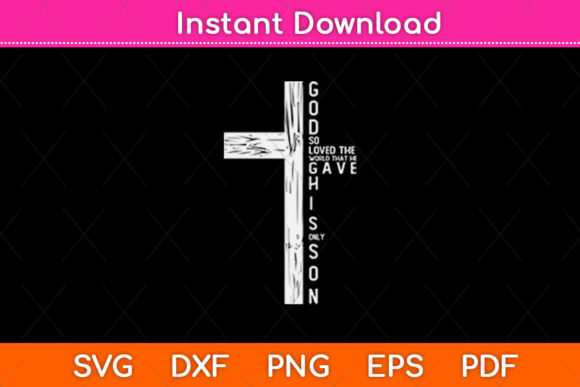
- Merchandise: T-shirts, mugs, and tote bags that rely on strong contrast—perhaps a black cross with white lettering and a single metallic gold petal.
- Home decor: Framed prints, wooden signs, or canvases where the lettering is painted by hand and the petals are pressed or painted.
Each medium imposes its own constraints. Screen printing limits color gradients, so your petals may need to be simplified into vector shapes. Digital displays allow for rich shadows and overlays, enabling a more painterly effect. When you commission or create a piece, discuss the final output early. A design that shines in RGB may fall flat in CMYK, and subtle pink petals can look muddy on certain fabrics.
One observation from working with artists and clients: pieces that center on Jesus Lettering Petals and Cross tend to sell well when they leave room for personal connection. A generic cross with a Bible verse is forgettable. But a design that incorporates the customer’s favorite flower or a specific translation of Scripture feels like a keepsake. That personal touch transforms a product into a ministry tool.
Balancing Tradition and Contemporary Aesthetics
Christian iconography has a long history. From Byzantine mosaics to Gothic cathedrals, the cross has been rendered in countless styles. The addition of floral elements is not new—medieval manuscripts often featured elaborate borders of leaves and blossoms around sacred texts. What is new is the modern minimalist and lettering-focused approach. Today, Jesus Lettering Petals and Cross often appears in clean, sans-serif layouts or hand-drawn scripts that feel fresh and accessible.
Traditionalists may prefer a more ornate style: intricate vines, gold leaf, and classical serif fonts. Minimalists lean toward stark, high-contrast designs with a single bloom and thin lettering. Neither approach is wrong. The best results come from understanding your audience. A young adult Bible study group will likely respond to a modern, Instagram-friendly aesthetic. An older congregation might appreciate the craftsmanship of a detailed engraving.
The challenge is to honor the sacred nature of the subject while making it relevant. You achieve this by staying rooted in the meaning of the cross and the name of Jesus, letting petals serve as accents rather than distractions. When every element points toward the central truth—that Christ died and rose again—the design has integrity.
Practical Considerations for Designers and Creatives
If you are planning to create a piece featuring Jesus Lettering Petals and Cross, start with a clear concept. Ask yourself: what is the primary emotion I want to evoke? Peace, joy, sorrow, hope? The answer will guide your choice of colors, typefaces, and flower types. Sketch multiple compositions before committing to digital work. Sometimes the best ideas emerge from rough paper drafts where you can freely move elements around.
Pay attention to hierarchy. In most cases, the cross should remain the visual anchor. Lettering is secondary, and petals are tertiary. This does not mean petals are unimportant—they can frame the cross or fill negative space in ways that elevate the entire piece. But if the cross becomes lost among leaves and swirls, the message weakens. Keep testing the balance by stepping back and squinting at the design. Does the cross still dominate? Does the name of Jesus read clearly at a glance?
- Color palette: Limit yourself to three or four hues. Too many colors compete for attention. Earthy tones and muted pastels typically fare better than neon or overly saturated shades.
- Texture: Consider adding grain, watercolor splashes, or paper texture to digital designs. This gives the piece a handmade feel that resonates with the organic nature of petals.
- Whitespace: Do not fill every corner. Let the design breathe. Whitespace around the cross can feel reverent and contemplative.
- Typography pairing: Use no more than two font families. A script for "Jesus" and a clean sans-serif for any supporting text creates a cohesive look.
The Emotional and Spiritual Impact of the Combined Elements
People who display Jesus Lettering Petals and Cross in their homes or churches are not just decorating—they are professing. They want a daily visual reminder of their faith. The petals soften the severity of the cross, reminding the viewer that beauty and life emerge from sacrifice. The lettering personalizes it, connecting the ancient symbol to the living person of Christ.
I recall a conversation with a small business owner who creates custom wooden crosses. She told me that her best-selling items are those where she incorporates the customer’s favorite flower and a specific wording—often just the name "Jesus" in a flowing script. She noticed that people hang these pieces in nurseries, living rooms, and even offices. They become conversation starters, prayer aids, and sources of comfort. The combination of Jesus Lettering Petals and Cross meets a deep need for tangible expressions of intangible faith.
For the artist or designer, working with these symbols can be a spiritual discipline. It requires humility—you are handling themes that matter deeply to people. A careless design can feel disrespectful. A thoughtful one can minister. The time spent refining the curve of a letter or the placement of a petal is time invested in helping others connect with God.
Common Pitfalls and How to Avoid Them
Even experienced designers run into trouble when merging Jesus Lettering Petals and Cross. One frequent mistake is overcrowding. Too many petals, too many font styles, or too many decorative flourishes will muddy the message. Edit ruthlessly. If a petal does not add meaning, remove it.
Another issue is illegibility. Elaborate scripts may look beautiful but become unreadable when scaled down. Always test your lettering at the actual size it will be viewed. If you cannot read "Jesus" from across the room, the design has failed in its primary function.
Finally, avoid cliché pairings that feel overused. Thorny crowns and blood-red roses are powerful but can feel predictable. Try unexpected combinations—lavender for calm, daisies for simplicity, or even abstract geometric petals for a modern edge. Freshness honors the timeless message.
When you approach Jesus Lettering Petals and Cross with respect and creativity, you are participating in a long tradition of art that points beyond itself. Every curve, bloom, and beam becomes an invitation to pause, reflect, and remember the foundation of the Christian faith.