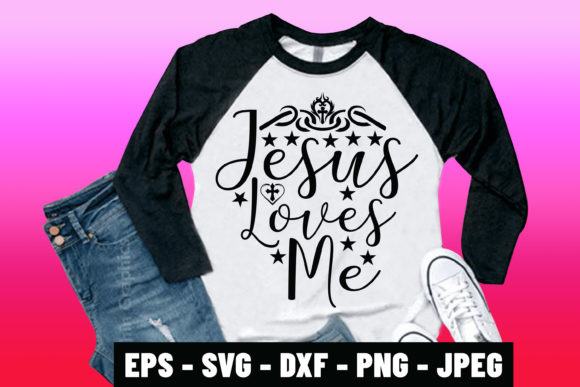
Mastering God Is Great All the Time Typography for Purposeful Design and Content Workflows
Typography carries meaning far beyond the words it shapes. When you pair a phrase like “God is Great All the Time” with intentional type choices, you are not just displaying text—you are communicating tone, reverence, energy, and identity. For professionals, creators, and business owners who regularly produce content, mastering this specific typographic approach can elevate everything from social media graphics to print materials, website headers, and branded merchandise.
This article explores what God is Great All the Time typography means in a practical sense, how it fits into real workflows, and how you can implement it effectively across projects, platforms, and long-term creative systems.
What God Is Great All the Time Typography Means in Practice
At its core, typography built around this phrase involves selecting, arranging, and styling the words “God is Great All the Time” to achieve a specific visual and emotional result. The phrase itself is declarative, rhythmic, and spiritually anchored. Typography amplifies that anchor. You are choosing typefaces, weights, spacing, alignment, color, and hierarchy to make the statement resonate with your audience—whether that audience is a congregation, an online community, a customer base, or a personal network.
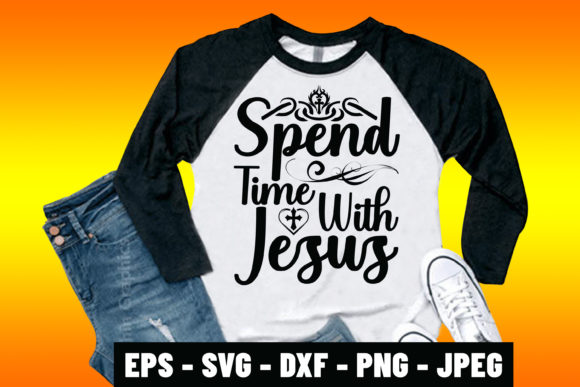
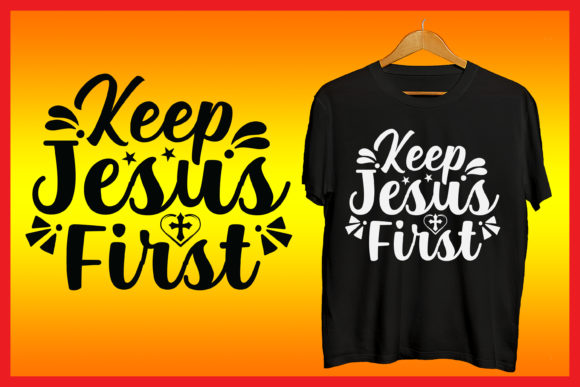
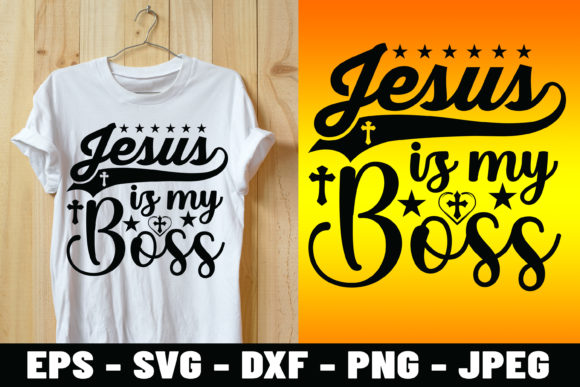
This is not limited to one medium. You might use it in a sermon slide deck, a branded T-shirt design, a devotional blog header, an email signature, or a video title card. The typographic treatment becomes the vehicle for the message. The better the vehicle, the more the message lands.
In a broader content ecosystem, God is Great All the Time typography sits at the intersection of visual identity, emotional resonance, and functional readability. It is both a design asset and a communication tool.
Where It Fits in Your Workflow Before a Project
Before you start any project that includes this phrase, take time to define the role typography will play. Ask yourself three questions: What feeling should the phrase evoke? Where will the design live? Who is the primary audience?
If the answer to the first question is “joyful and uplifting,” you might lean toward rounded, warm, or script typefaces. If the answer is “solemn and reverent,” a clean serif or minimalist sans-serif could serve better. The environment matters too. A digital banner viewed on mobile demands different spacing and weight than a large banner printed for a church lobby.
Preparation also involves gathering typographic resources. This could mean curating a shortlist of typefaces that support your brand or style. It might include licensing web fonts, downloading variable font files, or creating reusable typography templates in Figma, Canva, or Adobe InDesign. Having these assets ready before you begin saves time and prevents inconsistent results across team members or projects.
Another pre-project consideration is layout variations. Experiment with how the phrase reads in a single line, stacked vertically, or broken into two lines—“God is Great” / “All the Time.” Each arrangement changes the visual rhythm. Testing these options early helps you commit to a direction that works across multiple deliverables.
During the Project: Integrating Typography into Execution
When you move into active design or content production, God is Great All the Time typography becomes a working element in your process. It interacts with other design decisions such as color palette, imagery, texture, and whitespace.
One practical method is to treat the typography as the primary visual anchor. Let the phrase drive the layout. For example, a social media graphic might center the phrase in a bold, custom lettering style with supporting text placed in a smaller, neutral font below. The typography of the main phrase dictates where everything else goes.
If you are working within a team, establish clear typographic guidelines for this phrase. Specify the typeface, size range, letter-spacing, line-height, and alignment. Document these in a shared style guide or project brief. This ensures that whether you or a collaborator produces the asset, the typography remains consistent.
When using tools like Canva, Figma, or Adobe Express, leverage features such as font pairing suggestions, alignment grids, and layer organization. Save the typography as a reusable component or template. For instance, if you design a weekly devotional graphic, keep the “God is Great All the Time” typography locked in as a master component so you only need to update the background or supporting text each week.
In website or app contexts, consider how the typography renders across devices. Test the phrase in mobile view, tablet view, and desktop. Adjust size and spacing to maintain readability and impact. CSS properties like font-size, letter-spacing, and line-height become your precision tools. If you use a content management system, store the typography as a reusable block or custom HTML element.
After the Project: Typography as a Reusable Asset
Once your project is live, the typographic work does not end. God is Great All the Time typography can be archived, adapted, and repurposed. Save your final design files with clearly named layers and grouped assets. This makes it easy to update colors, swap backgrounds, or adjust text for seasonal campaigns.
If you created multiple variations during the project, catalog them in a digital asset management system or even a simple folder structure. Tag them by use case—social, print, video, web. This turns a one-time typographic effort into a long-term library you can pull from for future needs.
Audience feedback matters here. If a particular typography style consistently receives more engagement, note that in your records. Over time, you build a pattern of what works. This is how typography becomes part of your broader quality control and iterative improvement cycle.
Interaction with Other Tools, Platforms, and Decisions
Typography never exists in isolation. God is Great All the Time typography interacts with every other element in your workflow. A few key interactions are worth planning for:
- Color and contrast. Dark typography on a light background works well for readability; light typography on a dark background creates drama. Ensure contrast ratios meet accessibility standards, especially for web use.
- Imagery and texture. If your typography overlays a photo or textured background, test legibility. Use drop shadows, outlines, or background shapes to maintain clarity without compromising the visual style.
- Brand guidelines. If the phrase appears alongside a logo or other brand elements, the typography should complement rather than compete. Maintain consistent spacing and alignment relative to other marks.
- File formats and export settings. For print, use vector formats when possible. For digital, export at appropriate resolutions and file sizes. Typography that looks crisp in a PNG may blur in a low-resolution JPEG.
- Collaboration tools. If you work with a remote team, use shared design libraries in Figma or cloud-based templates in Canva. This keeps the typography synchronized and editable by everyone who needs it.
Decisions about typography also intersect with content scheduling. If you run a social media calendar, set aside time each month to review and refresh typography. A consistent visual voice builds recognition. Changing typography too often can dilute that recognition, while letting it become stale reduces engagement.
Practical Implementation Tips for Long-Term Use
To integrate God is Great All the Time typography smoothly into your routine, focus on systems rather than one-off efforts. Here are actionable approaches:
- Create a typography template. Build a master file in your preferred design tool with the phrase styled in your primary and secondary typefaces. Include common layouts for square, vertical, and horizontal formats. Duplicate this template for each new project.
- Use font pairing deliberately. If the phrase uses one typeface, pair it with a contrasting one for supporting text. For example, a decorative display font for the main phrase paired with a clean sans-serif for a Bible verse or call to action.
- Maintain a typeface library. Keep a short list of go-to fonts for this specific phrase. Include web-safe fallbacks for digital use. Update the list only when a clear need arises.
- Set spacing presets. Define standard letter-spacing and line-height values for the phrase. Apply these consistently to avoid visual drift between projects.
- Test on real devices. Before publishing, view the typography on a phone, tablet, and monitor. What looks balanced in your design tool may shift in a live environment.
For professionals managing multiple content streams, consider creating a typography style guide page within your internal documentation. Include examples, code snippets, and export settings. New team members or collaborators can then produce work that aligns with established standards from day one.
Efficiency and Consistency Across Projects
Efficiency comes from reducing decisions. When you define how God is Great All the Time typography works in your workflow, you eliminate the need to reinvent the approach each time. Consistency builds trust with your audience. They begin to recognize the visual language you use around the phrase, which strengthens the emotional connection.
Quality control is easier when standards exist. Review your typography against your own checklist: Is the typeface correct? Is spacing consistent? Does the hierarchy match the intent? Are there any orphaned words or awkward line breaks? These details matter, especially in longer or high-visibility projects.
Over time, you will identify which typography styles perform best in specific contexts. Use that data to refine your templates and guidelines. This is not about rigid rules—it is about building a reliable foundation that still allows creativity within a defined framework.
Observations for Long-Term Typography Management
One common challenge is typography fatigue. Using the same style repeatedly can feel monotonous. To counter this without losing consistency, rotate between two or three approved typographic treatments. For example, use a bold uppercase treatment for major announcements, a script version for personal or devotional content, and a minimalist treatment for daily posts. Rotate them on a schedule or based on content type.
Another observation is the value of modularity. If you store your typography as separate layers or components, you can update colors, backgrounds, or supporting elements without rebuilding the typography from scratch. This is especially useful when producing content in batches.
Finally, remember that typography is part of a larger content experience. The phrase “God is Great All the Time” carries spiritual weight. The typography should serve that weight, not overshadow it. Good typography disappears into the message. Great typography makes the message unforgettable.
Bringing It All Together
God is Great All the Time typography is more than a design exercise. It is a practical, repeatable element that can be planned, executed, archived, and refined across projects. Whether you are a marketer producing weekly graphics, a blogger designing headers, a small business owner creating branded merchandise, or a educator preparing lesson materials, intentional typography makes your work clearer, more consistent, and more impactful.
Start with preparation. Build your templates. Document your choices. Test across devices. Archive for reuse. Over time, you will develop a typographic system that supports every project without requiring a fresh start each time. That is the goal: not just great typography, but sustainable, integrated typography that works as hard as you do.