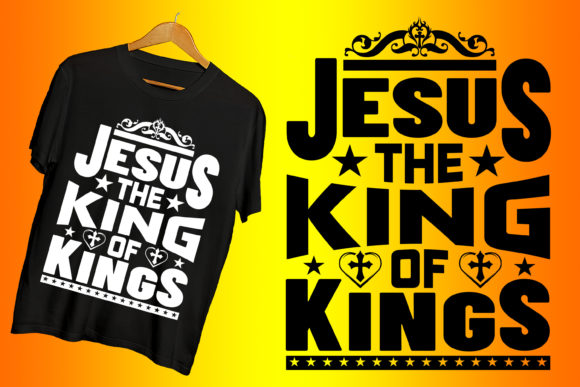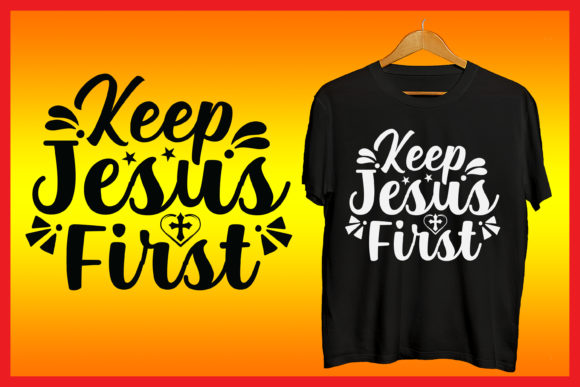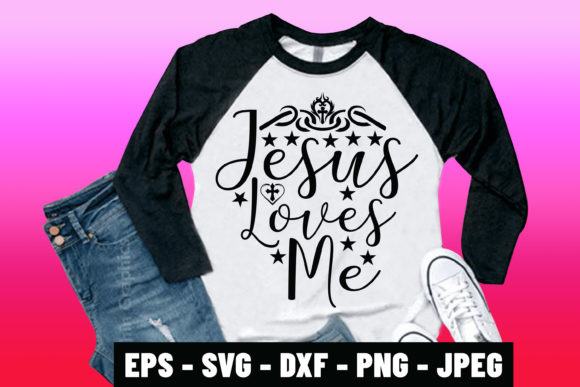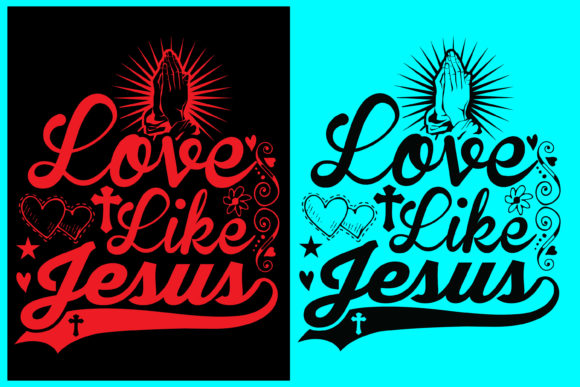
Love Like Jesus Tshirt Design: A Practical Guide to Purposeful Apparel Creation
When you set out to create a t-shirt design that carries a message like Love Like Jesus, you are not simply making a piece of clothing. You are building a visual statement that can communicate values, spark conversations, and reinforce a personal or organizational mission. Whether you are a small business owner launching a faith-based apparel line, a marketer developing merchandise for a community event, or a creator exploring a new project, understanding how to approach this design with intentionality can make the difference between a shirt that gets worn once and one that becomes a meaningful part of someone’s wardrobe.
This article walks through the practical process of planning, executing, and integrating a Love Like Jesus t-shirt design into your workflow. We will look at how it fits into broader creative and business processes, how it interacts with other tools and resources, and what you can do to ensure the final product is both high quality and true to the message you want to carry.
Understanding the Concept Behind Love Like Jesus Tshirt Design
At its core, a Love Like Jesus t-shirt design is about translating a principle into a visual format. The phrase itself points to a lifestyle of humility, compassion, and service. When you design around this idea, you are not just choosing fonts and colors; you are deciding how to represent a value system in a way that resonates with your audience.
This design concept can be used in several contexts:
- Personal projects – individuals wanting to express their faith or values in daily wear.
- Church or ministry teams – creating unity and visibility for a group mission.
- Faith-based businesses – building a product line that aligns with a core message.
- Nonprofit campaigns – using apparel to reinforce a fundraising or awareness initiative.
In each case, the design process is not isolated. It connects with your brand identity, your audience’s expectations, and the practical realities of production and distribution.
Where Love Like Jesus Tshirt Design Fits in Your Creative Workflow
Integrating a design like this into your workflow depends on when and why you are creating it. Here are three common scenarios that show how it can fit before, during, or after a larger project.
Before a Project: Setting the Tone
If you are launching a new initiative a retreat, a conference, or a community outreach program you may want to create a Love Like Jesus t-shirt as a way to establish the theme early. In this case, the design process happens during the planning phase. You work on the design alongside the event branding, so that the shirt, posters, social media graphics, and other materials share a cohesive look. This upfront integration saves time later and ensures that every piece of communication reinforces the same message.
During a Project: Building Momentum
Another approach is to introduce the t-shirt midway through a project. For example, if you are running a year-long faith-based study group, you might design and order shirts after the group has built some shared experiences. The design can then reflect inside jokes, key learnings, or a visual summary of what the group has discovered together. This timing makes the shirt a symbol of progress rather than a starting point, which can deepen its meaning for the group members.
After a Project: Creating a Lasting Reminder
Finally, a Love Like Jesus t-shirt can serve as a post-project keepsake. After a mission trip, a fundraising campaign, or a seasonal event, a well-designed shirt helps people remember the experience and continue to live out its values. In this scenario, the design process is a separate but complementary activity. You gather feedback from participants, choose imagery that captures the spirit of the completed work, and produce a shirt that becomes a tangible memory.
Integrating Love Like Jesus Tshirt Design with Other Tools and Resources
A design does not exist in a vacuum. To bring a Love Like Jesus t-shirt from concept to finished product, you will likely interact with several tools, platforms, and people. Here is how each piece fits into a practical workflow.
Design Software and Templates
Whether you use Adobe Illustrator, Canva, Procreate, or a dedicated t-shirt design tool, start with a clear understanding of your production method. If you plan to screen print, you need a design that works with spot colors and limited layers. If you are using direct-to-garment (DTG) printing, you have more flexibility with gradients and detailed artwork. Matching your design approach to the printing method from the start prevents costly rework later.
Print-on-Demand Platforms vs. Bulk Production
Your choice between print-on-demand (POD) services like Printful or Printify and a local screen printer affects how you handle inventory, shipping, and quality control. POD is ideal for testing a design before committing to a large order, or if you are running a small shop with multiple design options. Bulk production lowers the per-unit cost and gives you more control over fabric quality, but requires upfront investment and storage space. Think about your current capacity and your long-term goals before choosing a route.
Fabric and Fit Considerations
The shirt itself matters as much as the design. A Love Like Jesus message printed on a low-quality garment undermines the care you put into the design. When sourcing blanks, consider factors like fabric weight, fit (unisex, classic, slim), and color options that complement your artwork. Order samples before committing to a full run, and test the print durability through several washes.
Involving Your Audience or Team
If you are designing for a group, gather input early. A quick poll on design concepts, color preferences, or placement options can increase buy-in and ensure the final shirt resonates with the people who will wear it. Tools like Google Forms, social media polls, or a simple email survey work well. This step also helps you avoid producing a design that misses the mark.
Practical Implementation Tips for Consistent Results
Once you have a solid concept and have chosen your tools, the next step is execution. These tips will help you move from idea to finished shirt with fewer surprises.
- Start with high-resolution source files. Always design at 300 DPI or higher. This ensures your artwork prints crisp and clear, even at larger sizes.
- Use mockups to test before ordering. Most print services offer free mockup generators. Place your design on a photo of a shirt to see how it will look in real life. Check the scale, placement, and color contrast.
- Limit your color palette intentionally. Too many colors can increase printing costs and reduce the impact of the message. A Love Like Jesus design often works well with one or two strong colors plus the shirt base.
- Consider placement beyond the center chest. A small left-chest design, a full-front graphic, or a sleeve print each creates a different feel. Think about where the shirt will be worn and how much visibility the message needs.
- Test readability from a distance. If the design includes text, step back from your screen or use a zoom-out feature. Can someone read the words from three feet away? If not, simplify the typography or increase the size.
- Order a proof print before the full run. Whether you are using a local printer or a POD service, request a single sample shirt. Inspect the print quality, fabric feel, and overall fit. This one step can save you from a batch of shirts that do not meet your standards.
Preparing for Success: Quality Control and Usability
Quality control in t-shirt design is not just about the print. It includes how the design holds up over time, how the shirt fits into the wearer’s daily life, and how easy it is for you to manage the production process.
Usability for the End User
A Love Like Jesus t-shirt is likely to be worn in casual settings, small group gatherings, or community events. That means it needs to be comfortable, easy to care for, and appropriate for a range of ages. Stick to classic fits and avoid overly trendy cuts that may look dated in a season. Choose fabric blends that resist shrinking and hold color after repeated washing.
Efficiency in Your Workflow
If you plan to offer the design as part of a recurring product line, set up templates and presets in your design software. This saves time when you need to produce variations such as different colors or sizes without recreating the artwork from scratch. Keep a folder of approved fonts, color codes, and vector files so that anyone on your team can pick up the project without starting over.
Consistency Across Multiple Runs
When you reorder a popular design, you want the second batch to match the first. Document your specifications: the exact shirt brand and model, the print method, the ink colors (with Pantone codes if using screen printing), and the placement measurements. Share these details with your printer each time you order. This simple record-keeping prevents drift between batches and maintains trust with your customers.
Long-Term Value and Iterative Improvement
A great Love Like Jesus t-shirt design does not have to be a one-time effort. After your first run, gather feedback from the people who bought or received the shirt. What do they like about it? What would they change? Use that input to refine the design, adjust the fit, or explore new variations such as different colorways or a hoodie version.
You can also think about how the design interacts with other elements of your work. If you write blog posts or create social media content around the theme of loving like Jesus, the t-shirt becomes a physical extension of that content. It can appear in photos, serve as a giveaway in a contest, or be part of a bundled offer with a book or course. This kind of cross-platform integration strengthens the message and gives your audience multiple ways to engage with it.
Over time, the shirt may even become a recognizable symbol of your brand or community. That kind of long-term value does not come from a rushed design. It comes from a thoughtful process that respects the message, the audience, and the practical steps needed to bring it to life.
By approaching Love Like Jesus t-shirt design as part of a larger workflow rather than a standalone task, you set yourself up for results that are both meaningful and sustainable. Whether you are making one shirt for a personal project or a hundred for a ministry team, the principles remain the same: plan with intention, choose your tools wisely, test before you commit, and keep improving with each iteration.