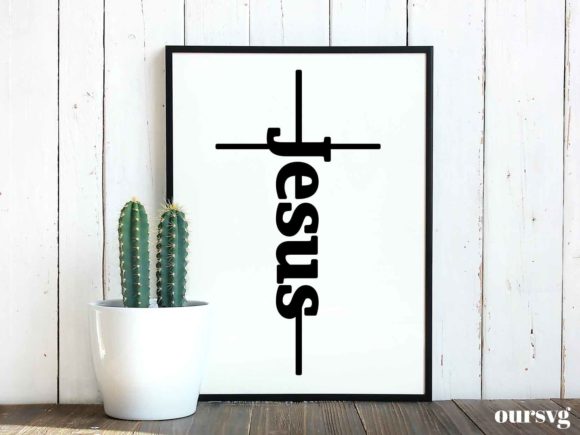
Jesus on the Cross - Simple Text Image: Strategic Clarity in Visual Communication
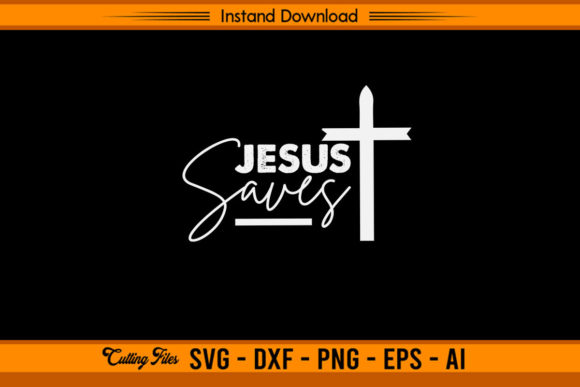
In an increasingly crowded visual landscape, clarity often matters more than complexity. The Jesus on the Cross - Simple Text Image represents a deliberate shift toward minimalism in conveying a deeply significant symbol. Rather than relying on elaborate artwork, photography, or detailed renderings, this approach uses text-based representation to evoke the crucifixion, focusing on the essential form of the cross and the figure of Christ. For entrepreneurs, educators, content creators, and decision-makers, understanding the strategic value of such a Jesus on the Cross - Simple Text Image can open new ways of thinking about communication, branding, and long-term positioning.
At its core, the Jesus on the Cross - Simple Text Image strips away visual noise. It asks the viewer to engage with the core symbol rather than getting lost in aesthetic detail. This can be a powerful tool when your goal is to communicate a message of sacrifice, redemption, or faith without distraction. In digital environments where attention is scarce, a clean, text-based representation can cut through clutter and deliver meaning with directness.
Understanding the Strategic Value of a Jesus on the Cross - Simple Text Image
To appreciate the strategic potential of the Jesus on the Cross - Simple Text Image, consider its role in visual hierarchy. When you design a page, a presentation, or a piece of marketing collateral, every element competes for attention. A simple text image of Jesus on the cross acts as a deliberate focal point. It does not try to impress with shading, color gradients, or intricate iconography. Instead, it relies on the power of the symbol and the viewer's prior understanding.
This approach aligns with the principle of cognitive fluency—the idea that people process simple, familiar images more easily and with less mental effort. For an audience that already carries a deep cultural or personal connection to the crucifixion, a Jesus on the Cross - Simple Text Image can trigger that connection almost instantly. It respects the viewer's intelligence by not over-explaining or over-decorating the symbol.
From a planning perspective, using such an image can also streamline production. Creating a simple text image costs less time and resources than commissioning original artwork or licensing professional photography. For small businesses, nonprofits, or individual creators working with limited budgets, the Jesus on the Cross - Simple Text Image offers a viable, dignified visual solution that does not compromise on meaning.
How Thoughtful Use of Jesus on the Cross - Simple Text Image Supports Goals and Positioning
Every visual choice you make communicates something about your brand, your values, and your priorities. When you decide to use a Jesus on the Cross - Simple Text Image, you signal a preference for substance over spectacle. This can reinforce a brand identity built on authenticity, humility, and directness. For faith-based organizations, ministries, or educators, this alignment with core values can deepen trust with your audience.
Aligning Visual Communication with Planning and Long-Term Results
Long-term branding requires consistency. If your organization regularly uses the crucifixion symbol in communications, establishing a standard visual language becomes essential. A Jesus on the Cross - Simple Text Image can serve as a foundational element—a consistent, recognizable icon that appears across your website, print materials, social media, and presentations. This consistency builds familiarity and strengthens visual memory over time.
In operations, having a simple, repeatable image format reduces decision fatigue. Rather than debating which depiction of the cross to use for each new piece of content, you can default to your standard Jesus on the Cross - Simple Text Image. This frees up creative energy for higher-level strategic work.
Practical Applications for Creators, Educators, and Decision-Makers
- Teaching materials: A simple text image can be used in slide decks, handouts, or online courses to illustrate key theological points without distracting visuals.
- Social media posts: In platforms where images are small and attention spans short, a clean Jesus on the Cross - Simple Text Image can convey a message quickly.
- Branded merchandise: Minimalist designs often perform well on apparel, journals, and other products. A text-based cross image fits this aesthetic naturally.
- Personal blogs or devotionals: Writers can use the image to create a visual anchor for reflections, sermons, or meditations.
Each use case benefits from the clarity and low cognitive load that the Jesus on the Cross - Simple Text Image provides. The key is to match the visual format to the context. For a formal theological paper, a text image might be too casual; for a youth group social post, it might be perfect.
When to Use a Jesus on the Cross - Simple Text Image and What to Consider
Timing and context matter. The Jesus on the Cross - Simple Text Image works best when the audience already has a basic understanding of what the symbol represents. If you are communicating with a general audience that may not share your cultural or religious background, consider adding a brief caption or context to ensure clarity. The image itself may not carry meaning for everyone, and assuming universal recognition can lead to misinterpretation.
Another consideration is the medium. On websites, simple text images can be rendered responsively, making them suitable for mobile-first design. They also tend to load faster than high-resolution photographs, which is a practical advantage for user experience and SEO. However, ensure the text formatting is clean and legible across screen sizes. A poorly formatted Jesus on the Cross - Simple Text Image can look sloppy and undermine the professionalism of your content.
Also consider the emotional tone you want to set. The crucifixion is a solemn subject. A simple text image can evoke gravity and reverence, but it can also feel stark or cold if not paired with appropriate surrounding content. Balance the image with warm language, thoughtful design choices, and complementary colors to create the right mood.
Possible Risks of Using Jesus on the Cross - Simple Text Image Without Clear Goals
Any tool can be misused, and the Jesus on the Cross - Simple Text Image is no exception. One risk is that the image becomes a default without strategic thought. If you insert it purely out of habit or because it looks "spiritual," you may miss opportunities to connect more deeply with your audience. Random use of the image dilutes its impact. Over time, viewers may become desensitized to it, seeing it as background noise rather than a meaningful symbol.
Another risk is that the simplicity of the image may be perceived as lazy or uncreative. In contexts where your audience expects high-quality visual content—such as a professional website or a printed publication—a bare text image might seem unfinished. This can harm your credibility if not handled with care. The solution is to ensure that the simplicity is intentional, not accidental. Frame the image within a well-designed layout, use appropriate typography, and consider adding subtle visual elements that enhance without distracting.
There is also the risk of misinterpretation. Some viewers may not recognize the text-based shape as a cross, especially if the formatting is unclear or unconventional. Always test your image with a sample from your target audience before committing to it in a major campaign.
How to Approach Jesus on the Cross - Simple Text Image Intentionally
Intentionality begins with asking yourself why you want to use this particular image. What goal does it serve? Does it reinforce your message, or is it decorative? Once you have a clear purpose, design the image to support that purpose.
- Define the message: What single idea do you want the Jesus on the Cross - Simple Text Image to convey? Sacrifice? Hope? Faith? Victory? Let that message guide the design.
- Choose your text carefully: Whether you use ASCII characters, Unicode symbols, or stylized typography, ensure the text is readable and respectful. Avoid playful or irreverent fonts.
- Consider spacing and alignment: The cross shape must be immediately recognizable. Even small misalignments can break the visual metaphor.
- Pair it with supporting elements: Use color, background, or a simple frame to give the image context. A dark background can heighten the solemnity; a light one can keep it clean and modern.
- Test for scalability: Ensure the Jesus on the Cross - Simple Text Image looks good at the sizes you will actually use—whether as a small icon or a full-page graphic.
By taking these steps, you move from random usage to strategic implementation. You treat the image as a tool for communication, not just a placeholder.
Decision-Making Guidance for Strategic Use of Jesus on the Cross - Simple Text Image
When evaluating whether to adopt a Jesus on the Cross - Simple Text Image for a project, assess the following:
- Audience familiarity: Will they immediately understand the symbol? If not, provide context.
- Brand consistency: Does this image align with your existing visual identity? If your brand uses rich imagery, a stark text image may clash.
- Production constraints: Do you need a quick, low-cost visual? A simple text image is efficient.
- Long-term value: Will this image remain relevant across multiple seasons and campaigns? Its minimalism can help it age well.
- Emotional impact: Does the image evoke the right feeling for your specific message? Test it with trusted advisors or a segment of your audience.
The Jesus on the Cross - Simple Text Image is not the right choice for every situation. But when used with intention, it can be a powerful tool for cutting through noise, reinforcing core values, and communicating with clarity. In a world of constant visual overload, sometimes the simplest image carries the deepest message. The key is to use it as a strategic asset rather than an afterthought, always tying it back to your goals, your audience, and the outcome you seek to achieve.