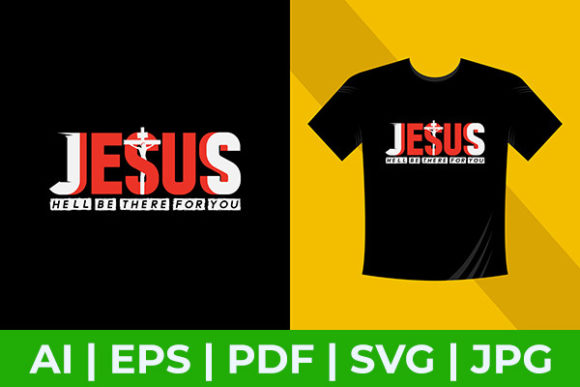
Jesus Hell Be There for You T-Shirt
A t-shirt design that reads Jesus Hell Be There for You walks a fine line between irreverence and sincerity. At first glance, the phrase looks like a typo or a deliberate provocation. But the wordplay — swapping “He’ll” with “Hell” — creates a layered message that resonates differently depending on the wearer and the viewer. For some, it is a clever pun. For others, it is a statement about faith, doubt, or the tension between them. And for many, it is simply a conversation starter.
What makes this design interesting is not just the language but what it leaves unsaid. It invites interpretation. That ambiguity is what gives it staying power as a piece of wearable art. Whether you are a designer looking for inspiration, a small business owner considering new products, or a creator exploring how humor and faith intersect, this t-shirt concept offers more than meets the eye.
What Makes the Design Work
The phrase Jesus Hell Be There for You works because it uses a familiar structure — a reassuring promise — and twists it with a single word. That twist creates cognitive friction. The reader has to pause, process, and decide how to read it. That moment of hesitation is where the meaning lives.
From a design perspective, this is powerful. Good graphic tees do not just display text. They create an interaction between the garment and the audience. The best ones make people think, laugh, or question. This design does all three, depending on context.
Typography choices matter here. A bold sans-serif font makes the pun feel direct and modern. A distressed or gothic typeface leans into the darker undertone of the word “Hell.” Hand-lettered script can soften the edge and make the phrase feel more personal or devotional. The same words change meaning depending on how they are drawn.
Creative Approaches for Different Audiences
If you are a creator or designer looking to adapt this concept, start by asking who you are designing for. The same phrase lands differently on a streetwear brand versus a church merchandise table. That does not mean it only works for one audience — but the styling needs to match the context.
- Streetwear brands can lean into the irony. Pair the text with heavy typography, monochrome palettes, and raw or distressed finishes. The goal here is attitude. The design signals that the wearer does not take themselves too seriously and enjoys wordplay with an edge.
- Faith-based creators can approach the design with sincerity. The phrase can be read as a promise — even in hellish circumstances, Jesus is present. Use warm tones, devotional motifs like crosses or flames reinterpreted as light, and a tone that feels grounded rather than sarcastic.
- Humor-forward lines can treat the shirt as a punchline. Place the text inside a speech bubble or pair it with a cartoon illustration. The design becomes a visual joke about religious language, mixed signals, or the way people misuse phrases.
Each of these approaches changes the product without changing the words. That is the mark of a flexible concept.
Practical Applications Across Platforms
A t-shirt design is rarely just a t-shirt. It becomes a post, a sticker, a meme, a hoodie, a tote bag, and sometimes even a billboard. If you are a marketer or small business owner, think about how Jesus Hell Be There for You can live across formats before you settle on a final look.
On social media, the design thrives in short video content. A person puts on the shirt, reads it aloud, and reacts. That moment of realization — “oh, I get it” — is shareable. It works on TikTok, Instagram Reels, and YouTube Shorts because it has a built-in punchline. The viewer does not need background context to understand the twist.
For print-on-demand sellers, the design offers versatility. You can offer it in multiple colorways to shift the tone. Black ink on a white shirt reads clean and graphic. White ink on a black shirt feels darker and more serious. A faded print on a vintage wash tee gives it a worn-in, ironic feel that suits the humor.
If you are a blogger or content creator reviewing or featuring this design, focus on the wordplay itself. Explain why it works linguistically. Compare it to other popular pun-based tees. That kind of analysis is useful for readers who are also creators looking to understand what makes a design tick.
Variations That Keep the Concept Fresh
Once you have a core idea, variations help you reach different segments without reinventing the wheel. Here are a few directions worth exploring:
- Minimalist version: Just the words in a small, centered typeface. No imagery. The text does all the work. This appeals to people who prefer subtle statement pieces over loud graphics.
- Illustrated version: Add a visual element that plays with the dual meaning. A simple line drawing of a desert, a flame, or a pair of hands reaching down. Keep it abstract so the viewer still has to connect the dots.
- Reverse version: Flip the phrase to “Hell Jesus Be There for You” or “Jesus Be There for You Hell.” Rearranging the words can create a different rhythm and even a different meaning. Experiment with word order before committing to one layout.
- Typography-driven version: Use two different fonts or colors for “Jesus” and “Hell.” Let the contrast between those words become the visual hook. This works especially well if you are designing for an audience that appreciates graphic design as much as the message.
Each variation should feel intentional. Do not add elements just to fill space. The original strength of this design is its simplicity. Extend that simplicity into new formats rather than burying it under decoration.
Balancing Tone and Audience Expectations
One of the challenges with a design like this is tone. The word “Hell” carries weight. Some audiences will read it as a joke. Others will read it as blasphemy. A third group will read it as a sincere statement about faith surviving hardship. None of these readings are wrong. But as a creator or seller, you need to decide which audience you are speaking to first.
That decision affects everything from the product description to the marketing imagery. A streetwear brand might photograph the shirt in an urban setting with moody lighting. A faith-based shop might show it folded neatly on a table next to a candle or an open journal. The product is the same. The story is different.
If you are writing product copy for this item, lead with the interpretation you want to highlight. Do not try to cover all angles in one paragraph. Pick one entry point and let the customer decide how they read it. Trust the design to do its job.
Structuring a Cohesive Design System
If you are building a collection around this concept, consistency matters. Choose two or three typefaces and stick with them across all variants. Decide on a color palette — maybe black, white, and one accent color like red or gold. Use the same placement on every shirt (center chest, left chest, or full front). These small decisions create a recognizable look that customers can identify at a glance.
For bloggers and educators who write about design, this shirt is a good case study in how a single word can change the meaning of a familiar phrase. Use it as an example in articles about typography, branding, or the role of humor in visual communication. It is concrete, easy to reference, and immediately understandable.
Keeping the Message Clear Without Overexplaining
One risk with wordplay-based designs is that the creator feels the need to explain the joke. Resist that urge. If the design is strong, it does not need a caption. Let the garment speak for itself. In product listings, keep descriptions brief. Something like: “A t-shirt that reads Jesus Hell Be There for You. Fits true to size. 100% cotton.” That is enough. Let the customer bring their own interpretation.
If you are a marketer running ads, test both a direct approach and a curious one. An ad that says “The t-shirt that makes people look twice” invites clicks without giving away the punchline. An ad that explains the pun upfront may perform better with audiences who need clarity before engaging. Run both and see which resonates.
For creators making content around this shirt, resist the temptation to over-explain in video or post captions. Show the shirt. Let the viewer read it. Their reaction — confusion, laughter, or recognition — is the content. You are just providing the trigger.
Long-Term Potential for the Concept
A design like this does not have to be a one-off. The underlying wordplay structure can be adapted to other phrases. “Jesus Hell Knows,” “Jesus Hell Help You,” or “Jesus Hell Save You” all follow the same pattern. Each one shifts the meaning slightly while keeping the recognizable rhythm. If you are building a brand around this style of design, a series of related phrases creates a cohesive product line that repeat customers can collect.
For small business owners, this reduces the creative overhead of constantly inventing new concepts from scratch. Once you have a formula that works — a familiar phrase with one swapped word — you can generate variations systematically. Test them with your audience and double down on the ones that get the strongest response.
Educators and hobbyists can use this as a starting point for their own creative projects. The exercise is simple: take a common saying, change one word, and see what happens. That process teaches you about language, audience perception, and the power of editing. It is a low-stakes way to build creative muscle.
The Jesus Hell Be There for You t-shirt is not just a product. It is a lens for thinking about how words, images, and context combine to create meaning. Whether you wear it, sell it, or study it, the design rewards attention. That is the kind of thing worth making more of.