Flat Jesus Green Easter Icon: Design Perspectives
A Specific Style for a Specific Purpose
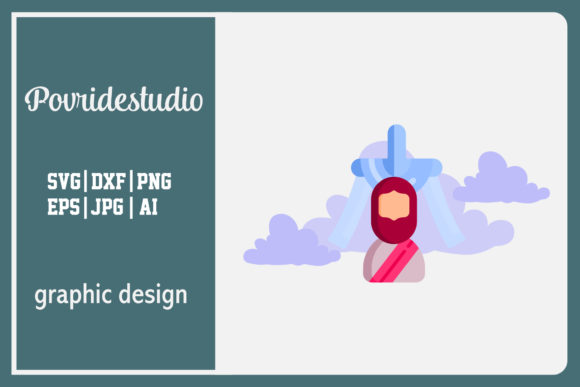
The phrase Icon Easter Flat Jesus Green refers to a particular design asset: a flat-style digital icon depicting Jesus Christ, themed for Easter, and rendered predominantly in green tones. This combination of flat design, Easter context, and green color palette may seem narrow at first glance. Yet for many creators, communicators, and business owners, this specific type of visual asset solves real problems. Understanding what it is, why it matters, and how different people use it can help you decide whether such an icon fits your own projects.
Flat design itself has been a dominant visual language for over a decade. Its clean lines, minimal shading, and focus on shape make icons highly readable at small sizes. When you add an Easter theme with a green color focus, the icon becomes seasonally relevant while retaining the simplicity that works across websites, print materials, presentations, and apps. The green may reference spring, new life, or specific liturgical associations depending on the viewer’s background.
Why the Specific Combination Matters to Different Audiences
Not everyone will value the same aspects of this icon. A graphic designer may care about the quality of the vector curves and how well the icon scales. A church volunteer preparing a bulletin may care most about whether the icon feels reverent and understandable. A small business owner creating an Easter promotion may want something visually appealing that doesn’t require hiring a designer. These are different priorities, and the same icon can serve all of them—if you know what to look for.
Beginners and Hobbyists: Ease of Use and Immediate Results
If you are new to design or content creation, an icon like this can save you hours. You do not need to learn illustration software or understand color theory to place a well-made icon into a flyer, social media graphic, or slideshow. For a beginner, the most important factors are file format, license clarity, and visual clarity. A flat icon with simple shapes is forgiving: it does not require precise positioning or complex background treatment. You can drop it onto a white background or a colored block and it will likely work.
Consider a hobbyist creating an Easter greeting for a family group. A green-toned Jesus icon can be placed alongside a short message, and the result looks intentional rather than thrown together. The flat style avoids the overly ornate or traditional look that might feel mismatched with a modern digital card. For someone who does this once a year, spending a few dollars on a single icon is practical.
Creators and Bloggers: Speed, Flexibility, and Presentation
If you publish content regularly—whether on a blog, social media, or a newsletter—you know that visuals directly affect engagement. A specific icon like Icon Easter Flat Jesus Green gives you a focal point without needing a full illustration. Bloggers covering Easter topics, religious themes, or spring events can use such an icon as a featured image, a section divider, or a bullet point marker within content.
For a creator, flexibility matters. A flat icon can be recolored, resized, or combined with other elements without breaking. If your brand uses a specific shade of green, you can adjust the icon to match. If you produce content year after year, having a reusable asset that communicates Easter without being overly literal or dated is valuable. The same icon could appear on a blog post about Easter traditions, a podcast episode about spring renewal, or a social media campaign for a creative project.
A practical example: a lifestyle blogger writing about meaningful Easter activities for families might use the icon as a visual anchor in a list of ideas. The green tone connects to the season, the flat style keeps the page from looking cluttered, and the subject matter signals the theme immediately. Readers scanning the article absorb the context in under a second.
Educators and Religious Communicators: Clarity and Learning Value
For educators teaching about Easter, religious holidays, or art and design, an icon like this serves multiple roles. In a classroom setting—whether physical or virtual—visuals support comprehension. A clear, flat icon reduces cognitive load. Students can focus on the concept being taught rather than decoding a busy or ambiguous image.
A Sunday school teacher preparing a handout for children might use the icon as part of a simple worksheet. The green color can spark a conversation about symbols of new life. The flat style feels contemporary, which may resonate with younger learners who are used to digital interfaces. For an educator, the icon's reliability matters: it should look correct at any size, print clearly, and not introduce confusion about what it represents.
At a higher level, a professor discussing iconography in digital media might use this specific icon as a case study. How does flat design affect the perception of religious imagery? Does the green palette shift the emotional response compared to traditional gold or blue? These questions have real value in courses on visual communication, religious studies, or digital culture.
Small Business Owners and Entrepreneurs: Commercial Value and Professionalism
If you run a business, every visual asset you use reflects your brand. A small bakery creating Easter-themed packaging might place a flat green Jesus icon on a label or bag. A florist promoting spring arrangements could use the icon in an email campaign. A cafe with a seasonal menu might include the icon on a chalkboard-style digital display. The key for business owners is commercial value: the icon must look professional, not amateurish. It must also be licensed correctly so that you can use it in commercial work without legal worry.
Flat icons are typically sold with standard commercial licenses that allow use in marketing, packaging, and digital products. Before purchasing, verify the license terms. Some marketplaces require attribution, while others do not. For a small business, the cost of a single high-quality icon is usually negligible compared to the time and expense of custom design. If the icon helps a customer understand your offering faster, it pays for itself.
Consider a business owner who lacks design skills but needs to produce a seasonal social media post. Using a pre-made icon eliminates the need to hire a freelance designer or learn complex software. The result is a professional-looking graphic in minutes. Over a year, having a small library of such icons for different seasons and holidays becomes a practical resource.
Evaluating Quality: What to Look For in a Flat Icon
Not every icon labeled flat is well-made. When assessing Icon Easter Flat Jesus Green or any similar asset, consider these criteria:
- Shape clarity: At small sizes, do the lines remain distinct? Good flat icons use clear silhouettes without overly thin strokes.
- Color harmony: The green tones should be intentional, not accidental. A cohesive palette within the icon matters more than using a single green.
- Scalability: Vector formats (SVG, EPS, AI) allow infinite scaling without quality loss. Raster formats (PNG, JPG) are less flexible.
- Contextual fit: Does the icon match the tone of your project? A very minimal icon works for modern websites; a slightly more detailed icon may suit print materials.
- Cultural sensitivity: Religious imagery carries meaning. Consider whether the depiction aligns with your audience’s expectations and traditions.
For a professional designer, these criteria are second nature. For a beginner, they serve as a checklist. Take time to preview the icon at different sizes and on different backgrounds before making a final choice.
Long-Term Usefulness: When an Icon Outlasts a Single Season
One consideration that often gets overlooked is whether an icon has value beyond one use. A well-designed Easter icon with a green motif could be repurposed for spring themes in general. The green palette does not limit it strictly to Easter Sunday. You might use it in content about renewal, growth, nature, or even sustainability if the context allows. The flat style further extends its lifespan because flat design does not go out of fashion quickly—it has become a standard rather than a trend.
For someone building a library of reusable assets, this kind of longevity matters. Spending a small amount on a flexible icon that works across multiple years and multiple projects is more economical than buying disposable graphics season after season. If you create annual content, you want assets that still look fresh when reused.
Making the Decision: Does This Icon Match Your Needs?
To decide whether Icon Easter Flat Jesus Green fits your goals, ask yourself a few questions:
- What is the purpose? Is this for personal use, educational material, commercial marketing, or creative expression? Each context has different requirements for quality and licensing.
- Who is the audience? A general public audience may respond differently than a religious community. Consider familiarity and expectations.
- What is your skill level? If you are new to design, prioritize icons with clear documentation and simple file formats. If you are experienced, you may value editability and integration with your existing tools.
- What is your budget? Single icons often cost a few dollars. Bundles offer better value if you need multiple assets. Free icons exist but may have lower quality or restrictive licenses.
- Does the icon solve a problem? If you currently spend time creating visuals from scratch or using generic clip art, a targeted icon can save effort and improve consistency.
There is no universal right answer. A freelancer producing a one-time Easter newsletter might need only a single icon. A church communications director planning materials for an entire season might invest in a full set. A hobbyist making a family card might choose a free option and accept some limitations. The important thing is that your choice aligns with your actual needs, not with a generic recommendation.
Practical Next Steps
If you decide that this type of icon is worth exploring, start by searching reputable icon marketplaces or design asset stores. Look for keywords like flat Easter icon Jesus green, religious flat icon green, or Eclipse Jesus icon depending on your exact needs. Preview the icon in context: place it into a mockup of your intended project. Check the license details, especially regarding commercial use, attribution, and modification rights.
For those who prefer more control, consider using a vector editing tool to adjust the icon yourself. Changing the green shade, adding a background shape, or combining it with typography can make the icon feel uniquely yours. If you are not comfortable with vector software, look for icons that come in multiple color variants or include editable source files.
Regardless of your path, remember that an icon is a tool. Its job is to communicate, to improve the visual experience, and to save you effort. When it does those things well, it is worth far more than its price tag. When it does not, no amount of polish can make it fit. Trust your own judgment based on your project, your audience, and your standards.