Happy Easter Egg Mandala: Creative Art for All
Easter egg decorating has long been a cherished tradition, but the Happy Easter Egg Mandala approach transforms it into something more deliberate, meditative, and visually striking. At its core, this concept merges the geometric precision of mandala patterns with the celebratory nature of Easter egg design. Whether you are coloring a printed template, painting directly onto an eggshell, or working with a digital application, the result is a blend of symmetry, color, and personal expression that appeals across age groups and skill levels.
What makes this idea resonate widely is its flexibility. You can approach it as a relaxing pastime, a teaching tool, a product for your small business, or a way to add meaning to a holiday gathering. The same mandala design can be simple enough for a child and intricate enough for an experienced artist. Understanding what Happy Easter Egg Mandala offers in different contexts helps you decide whether it fits your own goals, available time, and creative ambition.
What Happy Easter Egg Mandala Actually Is
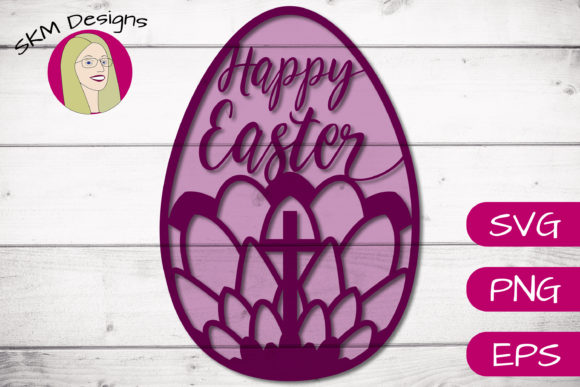
In its most basic form, Happy Easter Egg Mandala refers to any egg-shaped surface decorated with concentric, repeating patterns that radiate from a central point. The patterns often include floral motifs, geometric shapes, dots, curves, and lines arranged symmetrically. The term covers physical decorations on real or artificial eggs, printable coloring pages, digital design files for crafters, and even app-based coloring experiences.
For someone new to the idea, think of it as taking the calming, structured nature of a mandala coloring book and moving that practice onto an egg. For someone more experienced, it becomes a design challenge where you balance symmetry, color harmony, and the curved surface of the egg. The result is always personal, and no two finished eggs look exactly alike, even when using the same pattern.
Why Different People Care About It
Not everyone approaches Happy Easter Egg Mandala with the same motivation. A parent looking for a quiet afternoon activity with children values something different than a small business owner searching for a unique product line. Recognizing these differences helps you see where you fit in.
Beginners and casual hobbyists
If you are new to mandala art or egg decorating, the main appeal is accessibility. Many Happy Easter Egg Mandala templates come pre-drawn, so you only need to focus on coloring or painting within the lines. This removes the pressure of designing from scratch. Beginners tend to prioritize ease of use and low cost because they want to test the activity before investing in specialized tools. A simple printable pack with a few egg-shaped mandala outlines is often enough to start. The learning value comes from understanding how patterns repeat and how color choices affect mood and contrast.
For example, a hobbyist might print a free template, use colored pencils, and complete one egg in an evening. That single experience can confirm whether the practice feels rewarding or whether they want to try more complex designs next time.
Experienced creators and artists
Those who already draw, paint, or design regularly evaluate Happy Easter Egg Mandala differently. Their priorities shift toward flexibility, quality, and creative control. Pre-made templates may feel too restrictive, so they often prefer blank egg shapes or digital design tools that let them build patterns from scratch. The challenge of aligning a mandala pattern on a curved surface becomes part of the appeal. Experienced users often care about the long-term usefulness of a product—whether they can reuse templates, adapt them to different mediums, or sell their finished work.
An artist might use fine-tip markers, metallic paints, or even embossing powders on a real eggshell. For them, the final piece is as much about technique and originality as it is about the seasonal theme.
Educators and group facilitators
Teachers, homeschool parents, and workshop leaders look at Happy Easter Egg Mandala through the lens of learning value, engagement, and presentation. Mandala patterns naturally teach symmetry, geometry, and color theory. The Easter theme adds cultural context and a festive hook that makes the activity feel special. For educators, the key question is whether the material fits different age levels and whether instructions are clear enough to delegate to students working independently.
A classroom example: a teacher might use a simple four-section mandala pattern on an egg outline to introduce fractions or radial symmetry in a math lesson. Older students might calculate angles or replicate patterns using compass and ruler before decorating. The same activity builds artistic confidence while reinforcing academic concepts.
Small business owners and entrepreneurs
If you sell crafts, printables, or party supplies, Happy Easter Egg Mandala represents a product opportunity. Business owners prioritize commercial value, flexibility, and speed of production. A well-designed mandala egg coloring book, a set of digital SVG files for cutting machines, or a kit with blank eggs and pattern stencils can appeal to multiple customer segments. The key is to offer something that saves your customers time or inspires their creativity without requiring them to design everything themselves.
For instance, you might create a bundle of ten mandala egg templates in PDF and PNG formats, sell it on your shop platform, and market it to parents, party planners, and crafters. Because the concept ties directly to Easter, there is a natural seasonal window for sales. Business owners also need to think about presentation—clear preview images, sample finished eggs, and instructions help customers visualize the final product.
Consumers and gift-givers
People buying finished products or kits for personal use often care about quality, presentation, and cost relative to value. A consumer looking for a gift might choose a set of painted mandala eggs from a small artisan or a premium coloring book with perforated pages. The emotional draw is the combination of beauty, tradition, and the satisfaction of creating something with their own hands. Consumers appreciate clear labeling of difficulty level, materials included, and expected completion time.
A parent buying a kit for their child looks for safe materials, age-appropriate patterns, and enough variety to keep interest over multiple sessions. A gift-giver might choose a higher-end version with gold foil accents or wooden eggs that can be kept as decor.
Priorities That Shift With Each Audience
When you evaluate Happy Easter Egg Mandala for your own use, it helps to rank what matters most to you. Below are common priorities and how they might apply to different readers.
- Ease of use matters most if you have limited time, little art experience, or plan to involve children. Look for pre-drawn templates, simple instructions, and beginner-friendly patterns with wide spaces to color.
- Cost matters if you are testing the activity or buying for a large group. Free printable resources or low-cost digital downloads give you a low-risk entry point.
- Quality becomes important when the finished piece is meant to last, be displayed, or be given as a gift. High-resolution files, thick paper for printing, or durable blank eggs make a difference.
- Flexibility matters to artists and business owners who want to modify designs, resize elements, or use the patterns across multiple mediums. Vector files or layered digital formats support this.
- Speed and reliability matter if you are producing many eggs for an event, a workshop, or a product launch. Reusable stencils, stamping methods, or digital coloring apps save time.
- Creativity and learning value matter most to educators and hobbyists who want more than just a finished product. Patterns with varying complexity, blank templates for original designs, and guides that explain mandala principles add depth.
- Commercial value matters to entrepreneurs evaluating whether a product will sell. Unique designs, exclusive bundles, and clear licensing terms protect their ability to earn.
How to Tell If Happy Easter Egg Mandala Fits Your Needs
The best way to decide is to match your specific situation with the characteristics of the product or activity you are considering. Below are a few scenarios to help you self-assess.
Scenario one: You are a busy parent with two young children and want a low-mess, screen-free activity for the weekend. You need something that requires only basic supplies like crayons or washable markers. In this case, a set of large, simple mandala egg coloring pages printed on standard paper fits perfectly. You likely value ease of use, low cost, and quick setup above all else.
Scenario two: You run a small craft booth at seasonal markets and want to offer something unique for Easter shoppers. You already own a cutting machine and can work with adhesive vinyl. Here, a digital file set of mandala egg stencils in SVG format gives you the flexibility to produce dozens of decorated eggs quickly. Your priorities are commercial value, speed, and reproducibility.
Scenario three: You teach an art class for adults and want a project that combines cultural discussion with hands-on practice. You need a range of patterns from simple to complex so that each student can work at their own level. You also want reference materials that explain the history of mandala and symmetry. Your focus is on learning value, flexibility, and presentation.
Scenario four: You are a hobbyist who enjoys coloring for relaxation. You already have a collection of fine-liner pens and gel pens. You want an egg mandala coloring book with intricate designs on good quality paper that minimizes bleed-through. Your priorities are quality, creativity, and long-term usefulness—something you can return to each Easter season.
Practical Examples Across Different Use Cases
Let’s look at how the same Happy Easter Egg Mandala resource might be used differently depending on who picks it up.
A printable PDF with ten egg mandala designs can serve as a coloring activity for a child, a practice sheet for an adult learning symmetry, or a base layer for a mixed-media artist who paints over the lines with watercolor. A digital PNG file can be imported into a design app for virtual coloring on a tablet, used as a pattern for embroidery on fabric egg ornaments, or scaled up for a large wall poster in a classroom.
A physical kit containing blank wooden eggs and pattern stencils might be used by a hobbyist for a weekend project, by a teacher for a multicultural art lesson, or by a small business owner to test a new product idea before investing in larger production. In each case, the core resource is the same, but the context changes the expectations and the final outcome.
For someone who values reliability, having designs that print clearly at different sizes without losing detail is critical. For someone who values presentation, having a cover image that shows finished examples helps them visualize success. For someone who values speed, downloadable files that open immediately without password restrictions or confusing licensing terms reduce friction.
Making Your Decision
Before you commit to a specific Happy Easter Egg Mandala product, take a moment to list what you actually need from it. If you are a beginner, start with a small, free resource to test your interest. If you are an experienced creator, look for blank templates or design tools that let you build your own patterns. If you are buying for someone else, consider their skill level and whether they prefer coloring, painting, or digital creation.
The beauty of this concept is that it accommodates many entry points. You can start minimally and grow into more complex methods over time, or you can jump straight into advanced techniques if that matches your current ability. There is no single correct way to use it, and the same design can feel different when approached with colored pencils versus watercolors versus digital brushes.
Ultimately, Happy Easter Egg Mandala works best when it matches your intention. If you want a quiet, meditative activity, simple patterns on good paper will serve you well. If you want a product line for your business, invest in designs that offer versatility and clear commercial terms. If you want a teaching resource, choose something that includes variety and educational context. By aligning the tool with your purpose, you get more satisfaction, less frustration, and a finished egg that genuinely reflects your effort.