This Girl Runs on Coffee and Jesus SVG: What to Know Before You Buy, Download, or Design One
You have seen the design on mugs, tees, laptop stickers, and tumblers. This Girl Runs on Coffee and Jesus is more than just a phrase—it is a statement of identity, faith, and daily fuel. For creators, small business owners, and hobbyists, the SVG version of this design opens up a world of possibilities for custom products, gifts, and personal projects. But as with any popular digital asset, there are pitfalls that can turn a simple download into a frustrating experience. Whether you are a seasoned crafter or just getting started with cutting machines and print-on-demand, understanding what an SVG actually delivers—and what it does not—can save you time, money, and a fair amount of headache.
What This Girl Runs on Coffee and Jesus SVG Actually Is
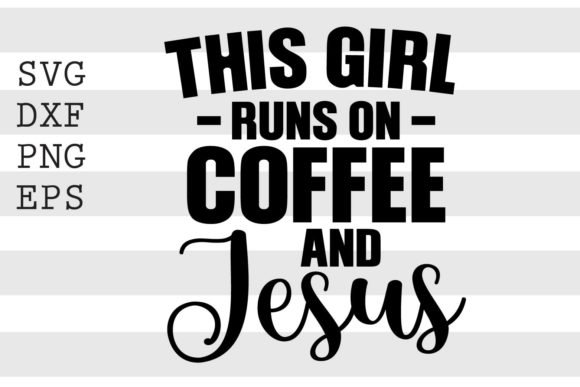
An SVG, or Scalable Vector Graphic, is a file format that uses mathematical paths rather than pixels to define an image. That means it can be resized from a keychain to a billboard without losing sharpness. The This Girl Runs on Coffee and Jesus SVG typically features stylized lettering, often accompanied by coffee cup icons, crosses, steam trails, or floral accents. People gravitate toward this design because it merges two relatable daily anchors—caffeine and faith—into one clean, shareable graphic.
But the fact that it is an SVG does not automatically make it a good SVG. Quality, licensing, and file preparation vary widely depending on where you get it and who created it. And the decisions you make at the download stage ripple into every project that follows.
Mistake 1: Choosing a Low-Quality SVG to Save a Few Dollars
Free SVG sites and bargain bundles can be tempting, especially when you are testing a new business idea or making a one-off gift. But many free or cheap This Girl Runs on Coffee and Jesus SVGs suffer from sloppy vector paths, uneven letter spacing, or jagged curves. When you upload that file to a cutting machine or a print-on-demand platform, the flaws become obvious. Thin strokes break apart, script letters lose their flow, and the overall design looks amateurish.
The better approach: Invest in a well-crafted SVG from a reputable designer or marketplace. Look for files that include multiple formats (SVG, PNG, DXF, EPS) so you have flexibility. Check reviews and preview images carefully. A slightly higher upfront cost often translates into fewer wasted materials and a polished final product.
Mistake 2: Ignoring Licensing Terms
This is the oversight that causes the most trouble for small business owners and entrepreneurs. An SVG file purchased for personal use cannot legally be used to produce items for sale unless the license explicitly allows commercial use. Many sellers offer a separate commercial license for a small additional fee. Assuming you have blanket permission because you paid for the file can lead to copyright issues, takedown notices, or loss of seller privileges on platforms like Etsy or Amazon Handmade.
What to check before you buy: Read the product description for license details. If the listing says “personal use only” and you plan to sell finished products, message the seller or look for a commercial license option. When in doubt, ask. Reputable designers appreciate the question and will clarify their terms.
Mistake 3: Not Checking SVG Compatibility with Your Software or Machine
Not all SVGs are created equal, and not all cutting machines or design programs interpret them the same way. Some SVGs contain embedded raster elements, multiple ungrouped layers, or hidden clipping masks that cause errors. You import a lovely coffee-and-cross design into your software, and suddenly half the letters are missing, or the machine tries to cut a tiny stray dot you never saw.
How to avoid this: Test your SVG in the free version of the software you will use before you cut or print. Open it in a browser or a vector editor like Inkscape or Illustrator to verify that all paths are clean. Many experienced creators keep a “test file” folder where they run new SVGs through a quick check for missing elements or broken curves. This five-minute habit prevents wasted vinyl and wasted time.
Mistake 4: Overlooking Sizing and Scaling Requirements
An SVG can scale infinitely, but your machine or printer has physical constraints. A This Girl Runs on Coffee and Jesus design that looks balanced on a 12-ounce mug might become illegible on a keychain or overwhelming on a tote bag. Beginners often import an SVG and accept the default size, only to discover the lettering is too small to weed or too large for the blank.
A practical tip: Always plan your dimensions based on the final product. For a standard 11-ounce mug, a design width of about 8 to 9 inches (wrapped) works well. For a T-shirt, keep the design between 10 and 12 inches wide depending on chest size. Preview your design at actual size in your software before committing to cut. If the thinnest strokes of the coffee cup or the cross detail drop below 0.05 inches, consider enlarging the design or simplifying the elements.
Mistake 5: Using the Wrong Color or Format for the Application
An SVG is a vector file, but that does not mean it is always the right choice. If you are printing a transfer for a light-colored garment, a black SVG outline will serve you well. But for a dark garment, you may need a white or layered version. Many people download a single-color SVG and try to force it into a multi-color print setup, resulting in misaligned layers or awkward negative space.
Better approach: Look for a This Girl Runs on Coffee and Jesus SVG that offers multiple color variations or layered files. Some designers provide a black-and-white version for cutting and a full-color PNG for print. If you plan to sell products in multiple colorways, having a versatile file set saves hours of manual editing.
What to Evaluate Before You Hit Download
Before you commit to any This Girl Runs on Coffee and Jesus SVG, ask yourself these questions:
- Does the designer have a clear portfolio or customer feedback? A shop with no reviews or vague product images is a gamble. Look for examples of the design used on actual products.
- Is the file organized? Good SVGs have logical layer names and minimal stray points. If the preview looks cluttered or the lines seem uneven, trust your gut.
- Does the license match your intended use? Separate personal and commercial rights. If you plan to give items as gifts but not sell them, personal use is fine. If you intend to sell even one mug, confirm commercial rights.
- What is the refund or support policy? Digital files are non-returnable, but responsive sellers will help with file issues. A seller who answers questions promptly is worth the extra dollar.
Practical Ways to Get the Most Out of Your SVG
Once you have a quality file, treat it as a tool, not a finished product. Experiment with resizing, rotating, and combining the design with other elements. Pair it with a strong coffee bean border or a subtle Scripture reference for a personalized touch. Test it on different material types—heat transfer vinyl, adhesive vinyl, sublimation prints—to see where the design shines.
If you are a small business owner, consider offering the design in multiple formats. Some customers want a decal for their laptop; others want a shirt. By starting with a clean SVG, you can fulfill both requests from the same source file. This consistency builds brand recognition and saves production time.
When DIY Becomes a Liability
It can be tempting to recreate a popular SVG from scratch using free fonts and clip art. But imitation often falls short. Script fonts that look charming on screen can fail to cut properly, especially if the letters are too tightly kerned or have thin swashes. Coffee cup graphics pulled from generic icon sets may lack the detail or style that makes the original design appealing. And if you plan to sell your version, you risk infringing on the intellectual property of the original artist.
A better path: If you have design skills, create your own original This Girl Runs on Coffee and Jesus artwork from scratch using proper vector tools. If you do not, support independent designers who have already done the hard work. You get a reliable file, and they get credit for their craft. Everyone benefits.
Final Checks Before You Commit
Downloading an SVG is quick. Using it well requires a little more attention. Verify the file opens correctly in your software. Check that all text has been converted to outlines or paths so you do not get font errors. Confirm that the design fits your product dimensions and that your cutting or printing settings match the material.
The This Girl Runs on Coffee and Jesus SVG is more than a digital file. It is a way to express what matters to you, whether you are creating for yourself, for your small business, or as a gift. When you choose wisely, prepare carefully, and use it with intention, that little vector file becomes something real—a mug that starts a conversation, a shirt that encourages a friend, or a product that resonates with customers. And that is worth getting right the first time.