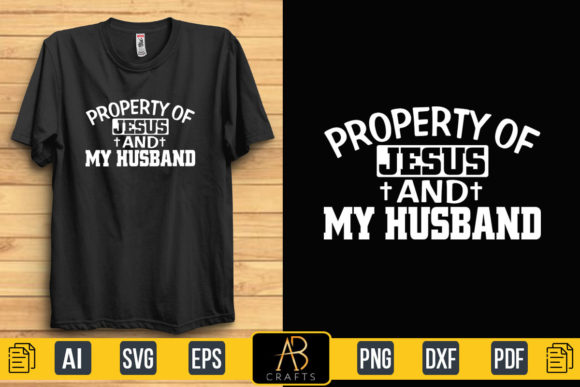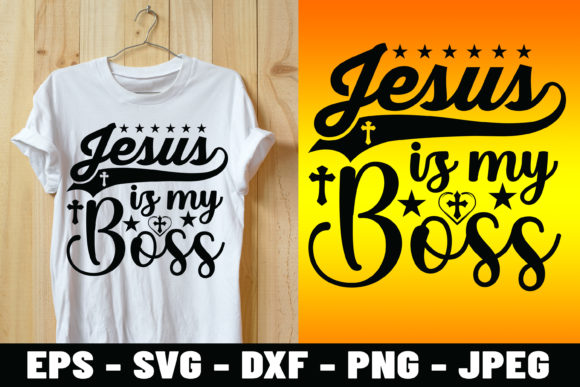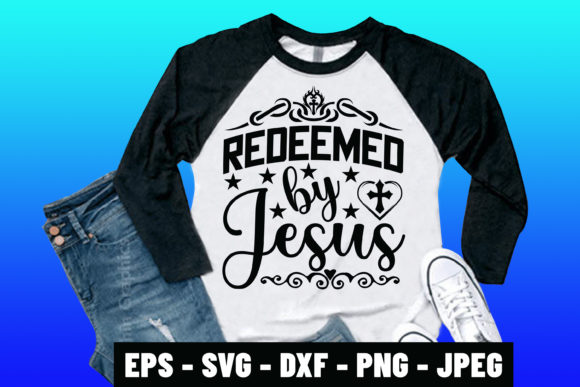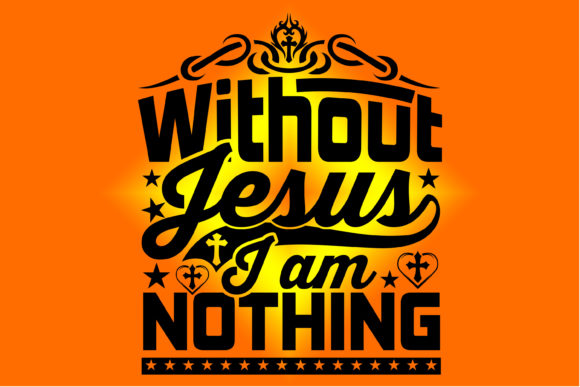
Property of Jesus T-Shirt Design: Getting the Message Right Without Common Missteps
Wearing your faith on your sleeve—or, more literally, on your chest—has become a meaningful way for many people to express their beliefs. Among the most popular faith-based apparel concepts is the Property of Jesus t-shirt design. At first glance, it seems simple: a bold statement of belonging. But if you have ever browsed these shirts online or considered creating one yourself, you know the concept can go sideways quickly. Bad fonts, cluttered layouts, or messages that miss the mark can turn a powerful statement into something forgettable or even off-putting. Let us walk through the most common mistakes people make with this design concept and, more importantly, how to avoid them.
What Makes a Property of Jesus T-Shirt Design Resonate
The core idea behind a Property of Jesus t-shirt design is ownership and identity. It echoes the biblical notion that believers are not their own—they have been bought with a price. That is a profound sentiment. When the design works well, it communicates humility, belonging, and conviction without shouting. When it fails, it can feel gimmicky, arrogant, or just poorly executed.
People gravitate toward this design because it is clear and conversational. It is not a long Bible verse or a complex symbol. It is a short, punchy declaration. That simplicity is both its strength and its danger. The fewer elements you have, the more each one matters.
Mistake Number One: Choosing Fonts That Undermine the Message
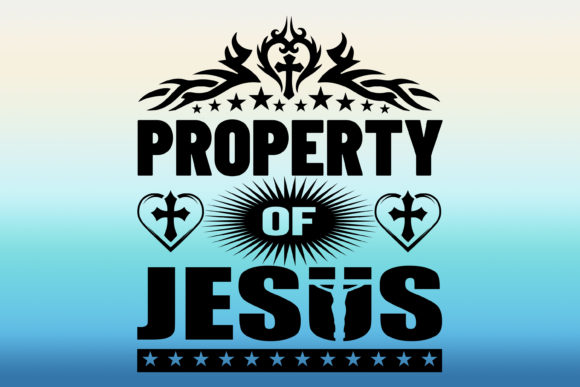
The most frequent error I see is typography that fights the message. Some designers reach for overly ornate script fonts that are difficult to read from more than a few feet away. Others use heavy, aggressive block lettering that feels confrontational rather than welcoming. The font sets the emotional tone. A Property of Jesus t-shirt design should feel confident but not harsh, warm but not weak.
Consider what you are saying. You are declaring that you belong to Jesus. That is an intimate, relational statement. A font that looks like it belongs on a heavy metal album cover sends a mixed signal. On the flip side, a font that is too delicate or flowery can make the statement feel tentative.
Practical advice: Test your font choices at three distances—arm's length, across a room, and from a passing glance. If the shirt cannot be read quickly, the design has failed. Sans-serif fonts like clean moderns or simple round scripts often work well. Avoid anything with excessive flourishes or uneven stroke weights. If you are using a custom design tool, preview the shirt at actual size before finalizing.
Mistake Number Two: Overcomplicating the Layout
Another common pitfall is trying to do too much. A Property of Jesus t-shirt design does not need a background graphic, a cross, a crown, a Bible verse, and an elaborate border. Every added element competes for attention. When everything is emphasized, nothing is.
I have seen designs where the words "Property of Jesus" are squeezed into a small box while a massive graphic of a cross or a dove dominates the shirt. That defeats the purpose. The statement is the point. If you want a graphic, let it support the text, not overwhelm it.
Think about how real property markings work. A label on a jacket or a tag on a piece of equipment is usually clean and minimal. It says "Property of [Name]" in a straightforward way. That same clarity works here. A simple, centered text treatment with maybe one small symbolic element—a small cross acting as the dot over the letter i, for example—can be far more effective than a busy design.
Better approach: Start with just the text. See how it looks on its own. If it feels too bare, add one subtle accent. A thin line, a small icon, or a slightly textured background can add depth without clutter. Remember that negative space is your friend. It gives the eye a place to rest.
Mistake Number Three: Ignoring the Audience and Context
Who will wear this shirt, and where? A Property of Jesus t-shirt design intended for a youth group retreat can be bolder and more playful than one aimed at a church elder or a professional setting. Many people buy these shirts for everyday wear—to the grocery store, a coffee shop, or casual gatherings. The design should feel appropriate for those contexts.
I have seen designs that use slang, hashtags, or trendy cultural references that will feel dated within a year. Others use language that might be misunderstood by someone outside the faith community. The goal is not to be obscure or trendy. It is to communicate clearly with both believers and non-believers who may see the shirt.
Ask yourself: If someone who does not go to church reads this shirt, will they understand it as a statement of faith, or will they be confused? You do not need to water down the message, but you do need to make sure it translates. The best designs are those that spark curiosity or conversation, not confusion.
Check before you buy or print: Show the design to a few people who represent your intended audience. Ask them what they see first, how they feel about it, and whether they would wear it. Their honest feedback can save you from a design that only looks good in your own head.
Mistake Number Four: Sacrificing Quality for a Low Price
This applies both to the t-shirt blank itself and the printing method. A brilliant Property of Jesus t-shirt design loses all its impact if it is printed on a cheap, thin shirt that wrinkles instantly or shrinks after one wash. The design also suffers if the print cracks, fades, or peels.
Many online marketplaces and print-on-demand services offer low prices, but quality varies wildly. I have seen designs where the text is off-center, the colors are washed out, or the ink feels stiff and plasticky. These issues make the shirt look like an afterthought, which reflects poorly on the message it carries.
What to look for: Choose a shirt blank with a good weight—at least 4.5 ounces per square yard for a standard cotton tee. Ring-spun cotton or cotton-poly blends typically feel softer and hold up better over time. For printing, screen printing offers durability and vibrant color, but for small runs or single shirts, direct-to-garment printing with quality inks can be excellent. Always read reviews about the print quality, not just the design itself.
If you are creating the design yourself and using a print service, order a sample before selling or gifting shirts. That single sample will tell you more than any mockup can.
Mistake Number Five: Forgetting About Fit and Placement
Design placement matters as much as the design itself. A Property of Jesus t-shirt design that is printed too high or too low on the chest looks amateurish. The standard placement for a chest print is roughly three to four inches below the collar seam, centered. Small variations can make a big difference in how the shirt looks when worn.
Also consider the size of the design relative to the shirt size. A design that looks balanced on a medium might look tiny on an XL or overwhelming on a small. Some print services allow you to scale the design by shirt size, which is ideal. If they do not, choose a size that works reasonably well across a range.
Another overlooked detail is the back of the shirt. Some designs include a large back print with a smaller front logo. That is fine, but the back print needs its own thoughtful layout. It should not be just the same text repeated. Use the back for a complementary phrase, a verse reference, or a simpler version of the front statement.
Better practice: View the design on a model or a flat lay image that shows real proportions. Mockups that stretch the shirt to look perfectly flat are misleading. Look for photos of real people wearing the shirt so you can see how the fabric drapes and where the design falls.
Mistake Number Six: Neglecting Color Contrast and Readability
Color choices can make or break a Property of Jesus t-shirt design. White text on a light gray shirt or gold text on a yellow shirt will be nearly invisible at a distance. High contrast is essential for readability. Dark text on a light shirt or light text on a dark shirt are safe, reliable choices.
That said, you can be creative without sacrificing clarity. A navy shirt with a soft cream text feels classic and readable. A heather gray shirt with black text is casual and understated. For more vibrant colors, like red or royal blue, white text usually works best.
Avoid color combinations that vibrate or clash visually. Bright green text on a hot pink background, for example, can actually cause visual discomfort. Stick to two colors at most unless you have a strong design reason for more. And remember: the shirt color itself is part of the design. A white Property of Jesus t-shirt design on a white shirt is the same as no design at all.
Mistake Number Seven: Treating It as a One-Size-Fits-All Message
This is a subtle but important point. Not every Property of Jesus t-shirt design needs to look the same. The concept can be adapted to different styles, personalities, and subcultures. A design that works for a college student might not resonate with a middle-aged small business owner. A minimalist, modern design might appeal to a creative professional, while a more traditional look might suit someone who prefers classic styles.
I have seen people dismiss the entire concept of faith-based apparel because they only saw poorly designed or overly aggressive versions. The potential of this design is to meet people where they are. If you are designing or buying, think about who you are and how you want to be perceived. The shirt is an extension of your personality, not just a billboard for a slogan.
Final check before committing: Look at the design as if you were seeing it on a stranger. Would you take that person more seriously? Would you feel drawn to ask them about it? If the answer is no, go back to the drawing board. A great Property of Jesus t-shirt design invites connection, not judgment.
Getting this design right is not about perfection. It is about intentionality. Every choice—the font, the color, the fabric, the placement, the tone—says something. Make sure it says what you mean.