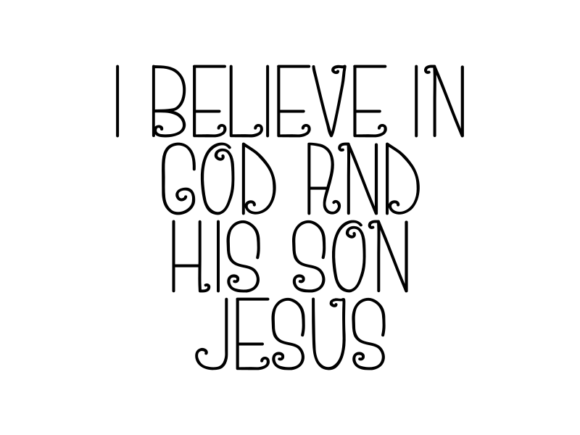
I Believe in God and His Son Jesus: A Typeface with Purpose
Every now and then, a font arrives that doesn't just sit quietly on a page—it speaks. I Believe in God and His Son Jesus carries that kind of presence. It's a display font with a handwritten soul, designed for projects where the message matters as much as the medium. Whether you're building a brand identity for a faith-based organization, designing a worship series, or crafting social media graphics that need to feel personal and grounded, this typeface brings warmth without losing clarity.
The letterforms feel deliberate, almost meditative. There's a natural rhythm to the strokes—neither rushed nor overly polished. In a world saturated with sterile sans serifs and predictable scripts, this font stands apart by feeling human. It doesn't try to mimic calligraphy perfection; instead, it leans into the slight irregularities that make handwriting feel authentic. That authenticity is exactly what makes it work across so many contexts.
What Makes This Typeface Distinct
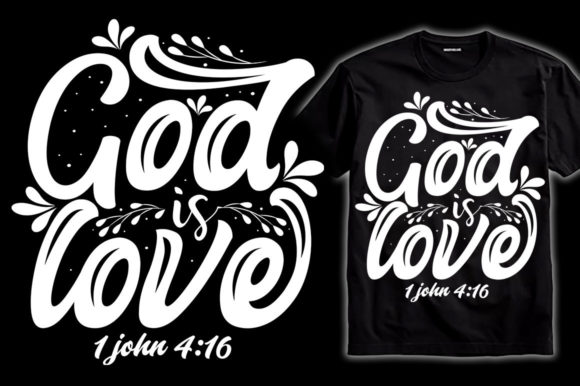
Visually, I Believe in God and His Son Jesus occupies a space between a casual handwritten font and a refined display serif. The characters have weight—they're not fragile or wispy—which gives the typeface a grounded, confident personality. The ascenders reach upward with purpose, while the descenders stay controlled. There's a subtle slant, but not so much that it feels like italic script. It's upright enough to remain readable at display sizes, yet loose enough to feel personal.
The personality here is sincere, approachable, and quietly reverent. This isn't a font that shouts. It invites readers in. For designers working on editorial layouts, packaging, or logo design, that quality is rare. Many display fonts are either too ornamental to read or too plain to remember. This one strikes a balance: it's decorative enough to catch the eye, but legible enough to deliver a message without friction.
Where the Font Shines in Real Projects
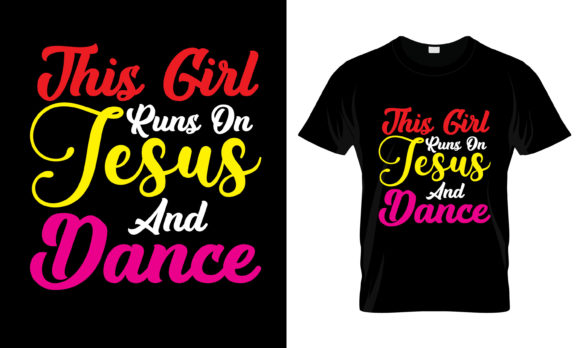
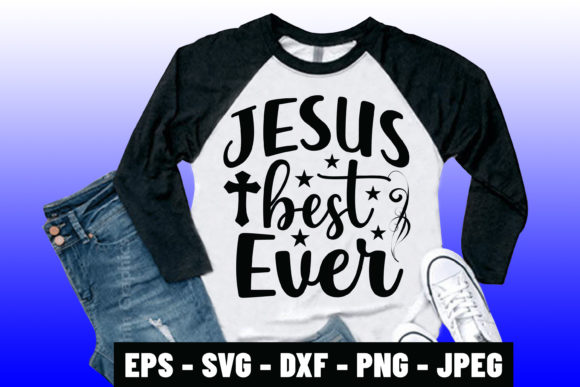
If you're a content creator or small business owner, you've likely struggled to find a font that works for both a website header and a product label without looking disjointed. I Believe in God and His Son Jesus bridges that gap nicely. On a book cover or an inspirational print, it reads like a personal note. On a packaging design for artisanal goods, it adds a handmade authenticity that factory-sourced fonts can't replicate.
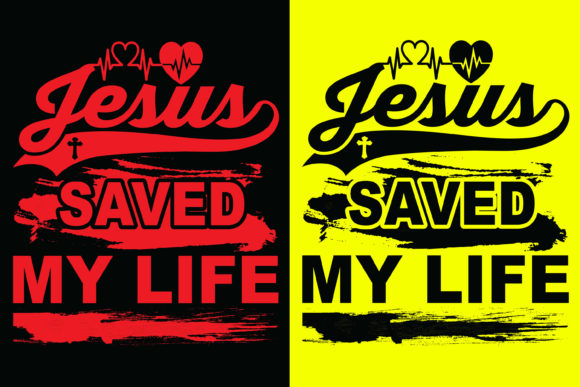
For marketers and brand strategists, the font offers a way to signal values without using a single extra word. A brand identity built around this typeface communicates trust, tradition, and a human touch. That's powerful when you're trying to connect with an audience that's tired of corporate polish. Churches, nonprofits, lifestyle bloggers, and even boutique product lines have used this font to anchor their visual identity. It works because it feels real.
- Editorial design – Subheads, pull quotes, and chapter openers benefit from the font's warmth. It breaks up dense text pages and gives readers a visual pause.
- Social media graphics – Pair it with a clean sans serif for Instagram quotes or Facebook covers. The contrast makes each element pop.
- Packaging design – Small-batch products, especially those with a story behind them, feel more personal when the label uses this handwritten style.
- Web design – Use sparingly for hero headlines or navigation accents. Overuse can overwhelm, but a single headline set in this font becomes memorable.
- Personal projects – Invitations, journals, and custom gifts gain an heirloom quality when lettered with this typeface.
How It Affects Readability and Visual Hierarchy
Readability in a display font is always contextual. I Believe in God and His Son Jesus is not designed for body text—nobody should set an entire article in it. But for headings, logos, and short-form messaging, it excels. The open counters and consistent x-height help the eye move across words naturally. When you place it above a clean sans serif body font, the hierarchy becomes instantly clear. Readers know where to look first because the handwritten texture draws attention without confusion.
Brand perception shifts when you use a font that carries emotional weight. A standard serif might feel academic; a basic sans serif can feel cold. This font lands somewhere in between—it's thoughtful but not stiff. For audiences aged 20 to 50, especially those in creative or entrepreneurial fields, that tone resonates. It suggests that the person behind the brand cares about details and isn't afraid to show personality.
Practical Guidance for Choosing the Font
Before you download and install, ask yourself a few questions. Is your project formal or casual? If you're designing legal documents or corporate annual reports, this probably isn't the right fit. But if you're building a brand identity for a wedding invitation suite, a faith-based podcast, or a small-batch coffee roaster, it could be exactly what you need.
Test it first. Drop a single word into your design software and zoom out. Does it feel too heavy? Too light? Adjust the tracking slightly—many handwritten fonts benefit from a little extra breathing room between characters. Pair it with a neutral sans serif like Open Sans or a classic serif like Lora. The goal is contrast without conflict. The handwritten font should lead, and the supporting font should stay quiet.
Check the included styles. Many versions of I Believe in God and His Son Jesus come with multiple weights or alternate characters. If you're licensing the font for commercial use, confirm what's included. The standard license usually covers most branding and marketing needs, but always read the fine print, especially if you're a publisher or product creator selling items that feature the font prominently.
Font Pairing and Design Observations
One pairing I've seen work consistently is this font with a clean geometric sans serif. The handwritten strokes bring organic warmth; the geometric sans brings structure. For a blog header, try setting the title in I Believe in God and His Son Jesus and the tagline in a thin sans serif. The contrast creates a visual hierarchy that feels curated, not chaotic.
Another approach: pair it with a subtle serif for editorial projects. A Garamond or Georgia companion gives the layout a traditional, trustworthy foundation while the handwritten font adds a personal note. This works beautifully for print-on-demand books, church bulletins, or brand guides for lifestyle companies.
Avoid pairing it with another highly decorative script or a bold display serif. Too much personality in one layout competes for attention. Let this font be the star, and choose supporting typefaces that complement without overshadowing.
Commercial Licensing and Project Fit
If you're a small business owner or freelancer, commercial licensing matters. I Believe in God and His Son Jesus is available as a premium font through several foundries. The license typically covers use in logos, marketing materials, social media, and product packaging. Some licenses restrict use in app interfaces or ebooks, so check before you commit. For most creative projects—brand identity, print design, web headers, and merchandise—the standard commercial license gives you plenty of room to work.
For publishers and content creators, the font works well in digital products like PDF guides, online courses, and email headers. Just remember that it's a display font, not a body font. Use it for emphasis and recognition, not for paragraphs. When applied strategically, it becomes a recognizable part of your brand identity. People start associating that handwritten warmth with your message.
Final Thoughts on Making It Work
I Believe in God and His Son Jesus isn't a font you use casually. It carries meaning. That makes it powerful for projects where you want to communicate belief, trust, or personal connection. But it also means you should use it with intention. Don't scatter it across every page. Reserve it for moments that matter—your headline, your logo, your most important quote.
Whether you're a designer building a brand from scratch or a blogger refining your visual voice, this typeface offers a rare combination of warmth and professionalism. It's a reminder that the best design tools don't just look good. They help you say what you mean. And when your message is rooted in faith, having a font that honors that weight makes all the difference.