God is Good Christian Quotes: A Practical Look at Their Role in Faith and Communication
For many people of faith, the phrase “God is good” is more than a casual expression. It is a declaration, a reminder, and a theological anchor. Over time, this simple yet profound statement has been woven into sermons, devotionals, social media posts, greeting cards, and everyday conversations. The growing collection of God is Good Christian Quotes reflects a desire to articulate gratitude, trust, and hope in a way that feels both personal and universal. Whether you are a pastor preparing a sermon, a small business owner creating faith-based content, or a blogger looking for meaningful material, understanding what these quotes offer and where they fall short can help you use them with intention and impact.
This article offers a balanced, professional evaluation of God is Good Christian Quotes. We will examine their purpose, strengths, practical applications, and limitations, and help you determine whether they fit your communication needs, audience, or creative workflow.
What God is Good Christian Quotes Are and Why They Matter
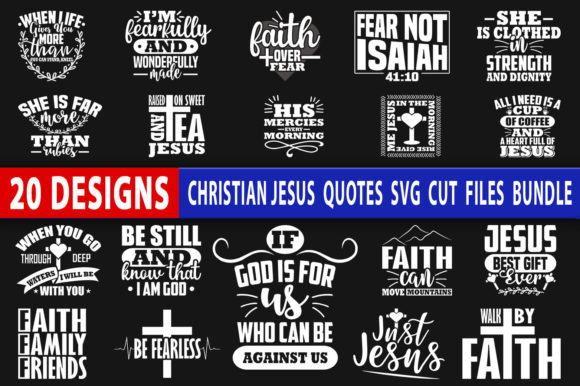
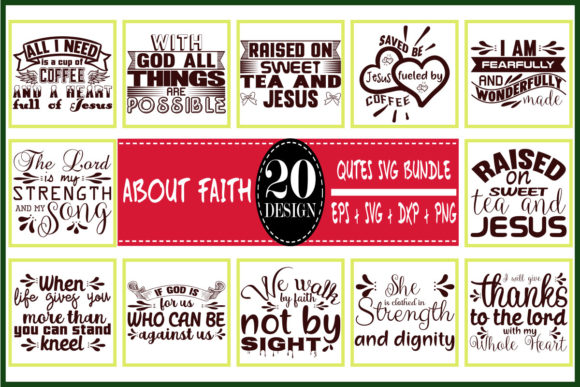
God is Good Christian Quotes are concise, faith-centered statements that emphasize the goodness, faithfulness, and sovereignty of God. They range from direct biblical verses—such as Psalm 34:8 (“Taste and see that the Lord is good”)—to paraphrased reflections and original sayings from theologians, pastors, and lay believers. While the core message is consistent, the tone can vary from reverent and theological to warm and conversational.
What makes these quotes worth discussing is not their novelty, but their versatility. In an age where digital content moves quickly, a short, memorable statement about God’s goodness can serve as a consistent anchor. For individuals and organizations that communicate faith regularly, these quotes offer a reliable way to reinforce a core belief without needing to develop original theology each time. They function as shorthand for a larger worldview, and when used thoughtfully, they carry emotional and spiritual weight.
From a content strategy perspective, God is Good Christian Quotes fill a specific niche. They are not exhaustive theological treatises, nor are they purely inspirational aphorisms disconnected from doctrine. Instead, they sit at the intersection of devotion and communication, making them valuable for anyone who needs to express faith-based gratitude or encouragement quickly and authentically.
Key Characteristics and Practical Value
To evaluate whether these quotes are useful for your work or personal practice, it helps to understand their defining traits. Below are the characteristics that make God is Good Christian Quotes a practical resource:
- Accessible language: Most of these quotes avoid complex theological jargon. They use everyday words, making them easy to understand across age groups and educational backgrounds.
- Emotional resonance: The phrase “God is good” carries comfort, especially during hardship. These quotes often evoke feelings of safety, hope, and gratitude, which can strengthen engagement with your audience.
- Brevity and memorability: Many quotes are short enough to fit on a social media graphic, a note card, or a sermon slide. This brevity makes them easy to recall and share.
- Theological flexibility: While rooted in Christian tradition, the message of God’s goodness can be interpreted across denominations and even resonate with people exploring faith.
The practical value lies in their adaptability. A single quote can be used in a Sunday school lesson, a marketing email, a podcast sign-off, or a personal journal. For creators and small business owners, this reduces the time needed to generate original content while maintaining a consistent faith-based message. For educators and pastors, these quotes serve as discussion starters or reinforcing statements after a biblical lesson.
That said, not all quotes carry the same weight. Some are generic and lack depth, while others are richly tied to specific scripture or context. The most effective ones balance warmth with theological grounding, and they avoid sounding like empty platitudes.
Strengths in Real-World Use
When applied thoughtfully, God is Good Christian Quotes perform well in several common scenarios. For example, a freelance writer crafting a daily devotional email might use a quote like “God is good, even when life is not” to anchor a reflection on perseverance. A small business owner running a Christian bookstore might feature a quote on a window display to invite conversation. A pastor preparing a sermon series on gratitude might pull from a curated list of quotes to illustrate each point.
One notable strength is the low barrier to entry. You do not need advanced theological training to use these quotes effectively. They are accessible to anyone who wants to communicate a faith-based message with clarity and sincerity. This makes them especially useful for entrepreneurs and bloggers who are building a personal brand around faith and lifestyle topics. A quote can be paired with a photo, a short personal story, or a call to action, and the combination often feels more authentic than content that is overly scripted.
Another strength is their consistency. Because the message is rooted in a core Christian belief, the quotes tend to age well. Unlike trendy sayings that lose relevance quickly, a statement about God’s goodness does not go out of style. This gives you long-term value from a single piece of content, especially if you keep a library of quotes that can be rotated across platforms over months or years.
Who Benefits Most from God is Good Christian Quotes
While the audience for these quotes is broad, certain groups will find them especially useful:
- Content creators and bloggers: If you publish faith-based content regularly, these quotes provide material that can be repurposed into social media posts, newsletter subject lines, or video captions. They reduce the friction of coming up with original wording for every piece of content.
- Small business owners: Whether you run a Christian gift shop, a coaching practice, or a publishing house, these quotes can be integrated into branding materials, product labels, or customer correspondence. They help communicate your values without sounding overly commercial.
- Educators and pastors: For those who teach or preach, a well-chosen quote can reinforce a lesson or offer a memorable takeaway. It can also be used in study guides, handouts, or children’s ministry materials.
- Individuals in personal ministry: If you lead a small group, write encouragement notes, or mentor others, these quotes give you a simple way to share hope without needing to craft original theology on the spot.
In each of these situations, the quotes function as a bridge between the message and the reader. They lower the cognitive load for both the communicator and the audience, making the interaction more natural and less forced.
Quality, Usability, and Reliability Considerations
Not every collection of God is Good Christian Quotes is created equal. When evaluating a specific resource or building your own collection, consider these factors:
Source accuracy: Some quotes are misattributed or loosely adapted from scripture. If you are using them in a teaching context, verify the original source. Reliable collections will cite the Bible verse or the author clearly. Avoid resources that present paraphrased quotes as direct scripture without labeling them as such.
Diversity of tone and context: A good collection includes quotes that cover different aspects of life—gratitude, suffering, provision, hope, and praise. If every quote sounds the same, its usefulness narrows. Look for variety that allows you to match the quote to the emotional or spiritual need of the moment.
Presentation and formatting: In digital use, the way a quote is formatted matters. Does it have a clear attribution? Is it easy to copy and paste? If you are paying for a premium collection, check whether the quotes are provided in formats that integrate with your workflow, such as plain text, image templates, or API access.
Cultural relevance: Some quotes use dated language that may feel distant to modern readers. While traditional phrasing has its place, a mix of contemporary and classic language will serve a wider audience. Pay attention to how the words land in your specific context—youth groups, for example, may respond better to shorter, more direct statements.
Limitations to Keep in Mind
No resource is perfect, and God is Good Christian Quotes have limitations that deserve honest consideration. First, because these quotes are short, they cannot capture the full depth of biblical theology on suffering, justice, or divine sovereignty. If you use them as a substitute for teaching or pastoral care, you risk oversimplifying complex topics. A quote can point people toward truth, but it should not replace the hard work of biblical study or personal discipleship.
Second, over-reliance on quotes can lead to content that feels repetitive or shallow. If every post, email, or message uses the same phrase, your audience may become desensitized. Variety in wording, context, and application is essential to keep the message fresh and meaningful.
Third, not all audiences will resonate with this specific phrasing. In some settings, particularly those that are more liturgical or academically oriented, the phrase “God is good” may feel informal or insufficient. Be mindful of your audience’s expectations and choose quotes that match the tone of your communication.
Practical Recommendations for Using God is Good Christian Quotes
To get the most value from these quotes, consider the following approaches:
- Curate, don’t just collect. Build a small library of well-vetted quotes that you know are accurate and meaningful. Filter out anything that feels generic or disconnected from your core message.
- Pair quotes with personal context. A quote by itself can feel impersonal. When you share it, include a brief story, reflection, or question that makes it relevant to your reader’s life. This increases engagement and trust.
- Use quotes as part of a larger content strategy. Let the quote serve as a hook or a closing thought, not the entirety of your content. Build articles, lessons, or social posts around the theme, and let the quote reinforce what you have already said.
- Rotate quotes across platforms. A quote that works on Instagram may not land as well in a newsletter or on a podcast. Adapt the tone and length for each medium, but keep the core message intact.
- Give credit where it is due. If a quote comes from a specific author or biblical passage, include the reference. This builds credibility and allows your audience to explore the source further if they wish.
These recommendations are based on real-world observation. Content that is anchored in truth but delivered with intentionality tends to perform better over the long term. It builds a reputation for reliability, which is especially important for professionals, educators, and business owners who want to maintain trust with their audience.
Final Thoughts on Fit and Long-Term Value
God is Good Christian Quotes are not a comprehensive theological resource, nor are they meant to be. They are a communication tool—one that can serve a wide range of practical needs when used with discernment. For creators, educators, entrepreneurs, and faith leaders who want to express gratitude and hope in a consistent, accessible way, these quotes offer a dependable starting point. They save time, reinforce core beliefs, and help build emotional connection with an audience.
At the same time, it is important to treat them as part of a larger practice of teaching, writing, and ministry. The most effective communicators do not rely on quotes as a crutch. They use them as a springboard into deeper conversation, deeper reflection, and deeper faith. If you approach God is Good Christian Quotes with that mindset, you will find them to be a valuable addition to your professional or personal toolkit—not because they are perfect, but because they are useful, flexible, and grounded in a message that has endured across generations.