Do Everything for the Glory of God: A Font with Purpose
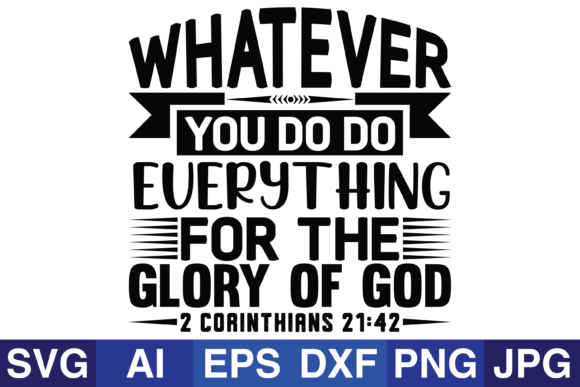
Every so often, a typeface arrives that does more than sit quietly on a page. It speaks. It carries weight. That’s exactly what you get with Whatever You Do Do Everything for the Glory of God. This isn’t just a collection of letters. It’s a statement. Whether you're a designer building a brand, a content creator trying to stand out, or a small business owner crafting a message, this font brings presence.
Let’s talk about what makes it tick, where it works best, and how to put it to use without overcomplicating things.
Visual Character and Personality
This typeface leans into a handcrafted, expressive aesthetic. It’s not your standard serif or sans serif font. It feels personal, like someone took a brush or a fine-tipped pen and wrote each letter with intention. The strokes have variation. There’s a natural rhythm to the glyphs that makes even a short phrase feel meaningful.
The personality is warm but confident. It doesn’t shout, but it doesn’t whisper either. You might call it a handwritten font with a refined edge. There’s an honesty to the design that works well when you want to communicate authenticity. Think of it as the typeface you’d choose when you want people to feel something, not just read something.
This is a display font at heart. It’s built to be seen, not hidden in paragraphs of body text. The shapes are deliberate, the spacing generous. That makes it ideal for headlines, quotes, and moments where you need visual hierarchy to guide the reader’s eye.
Style That Bridges Modern and Timeless
There’s a careful balance here. The font doesn’t feel overly trendy, which means it won’t look dated next year. At the same time, it carries a contemporary looseness that modern audiences respond to. It fits equally well on a minimalist brand site and a bold poster for a local event. That versatility is rare in a display typeface.
You’ll notice the ascenders and descenders have personality. Lowercase letters like g, y, and f drop or rise with a slight flourish, but nothing that distracts. It’s expressive without being messy. That’s the sweet spot for a creative font aimed at real projects.
Where This Typeface Shines in Real Projects
Let’s get practical. You’re not buying a font to admire it. You’re using it to communicate. Here are places where Whatever You Do Do Everything for the Glory of God delivers real value.
Branding and Logo Design
If you’re building a brand identity for a business that values connection, community, or craftsmanship, this font is a strong candidate. It works beautifully in logos, especially wordmarks where the letters become the visual centerpiece. Pair it with a clean sans serif font for supporting text, and you get a system that feels both approachable and professional.
For example, a coffee roastery, a handmade goods shop, or a creative studio could use this font in their primary logo. It communicates care. It tells the audience that the person behind the brand puts thought into details.
Social Media Graphics and Web Design
Scrolling is fast. Attention spans are short. That’s why a bold, readable display font works so well for social media graphics. Use it for quote cards, announcement posts, or any content where you only have a few seconds to make an impression. The font’s personality does the heavy lifting.
In web design, reserve it for hero headings, calls to action, or testimonial highlights. Keep body copy in a simpler serif font or a neutral sans serif. That contrast creates visual hierarchy naturally. The reader’s eye moves to the bold, expressive headline first, then flows down into the supporting text.
Editorial and Packaging Design
For magazines, zines, or book covers, this typeface adds a handcrafted feel that digital-native fonts sometimes lack. It’s also a strong choice for packaging design. Imagine it on a jar label, a candle box, or a limited edition product sleeve. The tactile quality of the letters suggests something made with care.
Publishers and content creators can use it for pull quotes, chapter openers, or section titles. It breaks up long blocks of text and gives the reader visual rest points. That’s good editorial design thinking.
Readability, Hierarchy, and Audience Engagement
One concern people have with expressive fonts is readability. It’s valid. If people can’t read the words, the design fails. Fortunately, this font keeps legibility front and center. The letterforms are distinct. Even at larger sizes, each character holds its shape. There’s no ambiguity between n and u or a and o.
Because it’s a handwritten font, it carries a human warmth that builds trust. Readers perceive it as less corporate, more personal. That can increase audience engagement, especially when you’re asking them to connect on an emotional level. A charity campaign, a personal blog, or a faith-based initiative would benefit from that tone.
When you use this font strategically, you also signal professionalism. It shows you made a deliberate choice, not a default one. That attention to detail builds brand perception over time.
Building Consistency Across Materials
Consistency is where many small businesses and content creators struggle. You might have a great logo, but then your social graphics look like they belong to a different brand. Using this font as a consistent visual element across your materials ties everything together. Use it for your website headlines, your email headers, your printed flyers. Over time, people start associating that style with your voice.
That kind of brand recognition doesn’t come from being loud. It comes from being consistent and intentional. A premium font like this one gives you a foundation to build on.
Choosing the Font and Evaluating Fit
Before you hit purchase, ask yourself a few questions. What is the main emotion I want my audience to feel? Does this font support that emotion? Is my project something that benefits from a personal, handcrafted look, or would a neutral sans serif serve me better?
If you’re working on a serious legal document or a dense financial report, this isn’t the right choice. But if you’re creating content that relies on tone, personality, and connection, it’s worth considering.
Look at the included styles. Does the font come with multiple weights? Are there alternates or ligatures? Those extras give you flexibility. You can use the bold weight for a strong headline and the regular weight for a subheading, keeping the whole design cohesive without repeating the exact same look.
Testing Font Pairings
Good font pairing is about contrast. Pair this expressive display font with a clean, neutral sans serif font for body copy. Options like Open Sans, Lato, or Inter work well. You could also try a restrained serif font like Merriweather or Playfair Display for a more editorial feel.
Here’s a quick test. Set your main headline in Whatever You Do Do Everything for the Glory of God. Below it, set a paragraph in your chosen body font. Step back. Does the contrast feel intentional? Can you read the body text without strain? If yes, you’ve got a solid pairing.
Readability Considerations Across Formats
Screen readability is different from print readability. On screens, especially mobile devices, test your font at various sizes. Make sure the characters don’t blend together at smaller scales. For digital use, I recommend keeping this font above 24px for headings. For print, you can go smaller, but test it first. Print a sample at the size you plan to use. Read it from a normal distance.
The goal is always the same: make it easy for the reader to absorb your message without friction. If they have to squint or guess a letter, you’ve lost them.
Commercial Licensing and Practical Use
If you’re using this font in client work, products, or anything you sell, check the commercial font license. Most quality fonts offer a standard desktop license that covers logos, print materials, and static images. If you plan to use it in web design, look for a webfont license. If it’s for an app or e-book, you may need an extended license.
Don’t skip this step. Using a font without proper licensing puts your work at risk. A small upfront cost protects you and respects the designer who created the typeface.
Final Thoughts on Making It Work
Whatever You Do Do Everything for the Glory of God is more than a name. It’s a reminder that the tools we choose matter. Whether you’re designing a logo, creating social graphics, or building a brand from scratch, a thoughtful typeface can carry your message further than you expect.
Choose it for projects that need warmth. Pair it with restraint. Use it consistently across your materials. And always, always test it in context. That’s how you turn a premium font into a real asset for your creative or business work.