Christian Coloring and Activity Books: A Guide for Thoughtful Selection
For adults seeking to deepen their faith while engaging in creative expression, Christian coloring and activity books offer a unique blend of relaxation, reflection, and biblical learning. Unlike generic adult coloring books or standard devotionals, these resources intentionally pair artistic activity with scripture verses, prayers, puzzles, and structured exercises. Whether you are exploring this category for personal use, a small group, or as a gift, understanding what sets these books apart—and where they fit best—can help you choose wisely.
Understanding Christian Coloring and Activity Books
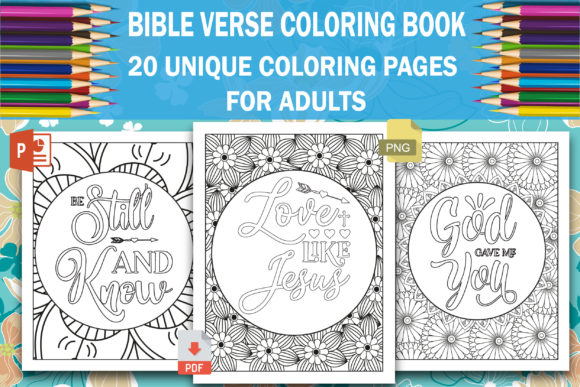
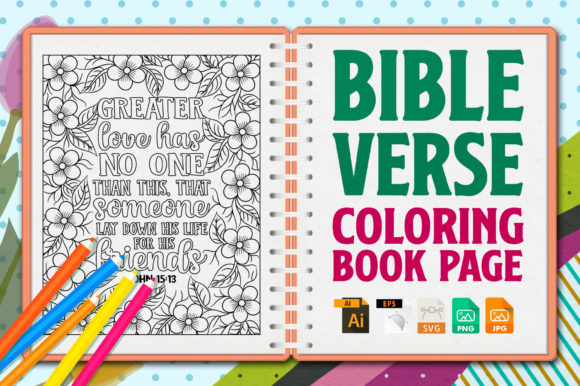
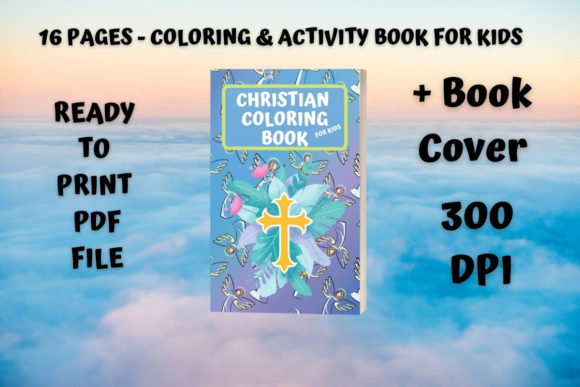
At their core, Christian coloring and activity books combine the meditative benefits of coloring with content rooted in Christian faith. You will typically find intricate illustrations of biblical scenes, nature imagery accompanied by scripture, and activities such as word searches, crosswords, maze paths, and connect-the-dot images that tell a story from the Bible. Some books include short devotionals, prayer prompts, or journaling space for personal reflection. What makes them distinct from a typical coloring book is the deliberate integration of spiritual content—each page is designed not just to occupy your hands, but to direct your mind toward God, scripture, or a specific theme like grace, hope, or the life of Christ.
This format appeals to adults who may find traditional Bible study too demanding after a long day, yet still want meaningful engagement with their faith. It also serves as a gentle entry point for those exploring Christianity or returning to spiritual practices after a break. The activity component adds variety, preventing the monotony that can set in with pure coloring pages.
How They Compare to Other Faith-Based Resources
When placed alongside other tools for spiritual growth, Christian coloring and activity books occupy a middle ground. Compared to a typical devotional journal, which relies almost entirely on writing and reading, these books use hands-on, visual, and kinesthetic elements. A devotional journal might ask you to write a prayer or reflect on a passage; a Christian coloring and activity book might have you color a stained-glass window design while reading a Psalm, then solve a word search using key terms from the passage. This multisensory approach can help engage different learning styles—particularly for those who are visual or tactile learners.
Bible study workbooks, on the other hand, often require structured analysis, cross-referencing, and note-taking. They are excellent for systematic study but can feel like homework. Christian coloring and activity books are low-pressure; you can pick them up for ten minutes and put them down without losing a thread. They are also more portable for casual settings like waiting rooms or coffee breaks. However, they do not replace the depth of a study guide or the introspective writing of a journal. Instead, they serve as a complementary resource—a way to let scripture soak in without the cognitive load of intensive study.
There are also general mindfulness coloring books that include calming patterns but no faith content. The Christian version adds spiritual context, which can turn a relaxing activity into a worshipful one. For someone who wants their relaxation time to also be a time of prayer or meditation on God’s Word, this distinction matters.
Strengths and Tradeoffs of Christian Coloring and Activity Books
Strengths include stress relief combined with faith reinforcement. The repetitive motion of coloring can calm the mind, and pairing it with scripture helps redirect anxious thoughts. Many users report that they memorize verses more easily when they have colored them—visual memory reinforces textual memory. These books also work well for intergenerational use: an adult and child can do activity pages side by side, using the same book with different approaches. For churches, they can be a quiet activity during services or a take-home gift for visitors.
Another strength is the variety of activity types. A book that includes prayers, simple crafts, or discussion questions alongside coloring can offer a richer experience than a book that only has line art. The best examples balance creative freedom with guided spiritual direction.
Tradeoffs are equally important to consider. One limitation is the level of theological depth. Most Christian coloring and activity books are designed for accessibility, not doctrinal nuance. If you are looking for a resource to tackle complex topics like eschatology or biblical theology, this is not the right format. Additionally, the artistic quality varies widely. Some books have poorly drawn illustrations or flimsy paper that cannot handle markers without bleeding through. Others use thin line art that feels cramped for adult hands. It is worth checking sample pages or reviews for paper weight and complexity of designs.
Another tradeoff is that the format can feel too passive for some. While coloring can be meditative, it does not require analytical thinking or deep personal application. A person who prefers active learning might find the activities unchallenging after a few sessions. Furthermore, some books include a lot of filler pages—crosswords with very easy clues, or mazes that take thirty seconds—which can feel unsatisfying for an adult audience.
When Christian Coloring and Activity Books Are the Right Choice
These books shine in specific situations. If you are a creative learner—someone who remembers a verse better after drawing or coloring it—this format can be a game-changer. They are also ideal for times of recovery or low energy. If you are dealing with illness, grief, or burnout and want to stay connected to your faith without the stamina for lengthy Bible study, a few minutes of gentle coloring with scripture can sustain you.
Parents looking for a quiet, faith-focused activity to do alongside their children often find these books helpful. A mother of young children might sit at the kitchen table with a Christian coloring and activity book while her kids color theirs; the shared activity naturally leads to conversations about the Bible stories on the page. Similarly, they work well for adults in caregiving roles who need short, portable spiritual refreshment.
Another fit is for small group leaders looking for icebreakers or simple discussion starters. A group could each color a page and then share what the verse meant to them. The low barrier to participation helps hesitant members engage.
When You Might Need a Different Resource
If your primary goal is systematic study of a book of the Bible, an in-depth workbook or commentary would serve you better. Christian coloring and activity books do not provide exposition, historical context, or application questions that challenge you to change behavior. For someone who wants to journal long prayers or maintain a detailed gratitude record, a blank journal or guided devotional with ample writing space would be more suitable.
Also, if you are teaching a class or leading a study group, one book per person can become costly, and the activities may not accommodate diverse adult skill levels. In that case, a reproducible resource or a standard curriculum with handouts might be more practical. Finally, if you strongly dislike coloring or find puzzles distracting, this format will likely not resonate—better to look toward audio devotionals, scripture memorization apps, or reflective reading plans.
Practical Tips for Evaluating Your Options
When browsing Christian coloring and activity books, consider a few key factors. First, check the theological perspective. Some books are broadly evangelical, others are more liturgical, and some focus on specific traditions like Catholic or Reformed theology. Look for books that align with your church background or personal convictions.
Age appropriateness is another factor. Many books market to adults but actually cater to older children. Look at preview images: if the illustrations are cartoonish or the activities feel simplistic (e.g., mazes with one path, word searches with ten words), it may not hold your interest. On the other hand, overly intricate designs with tiny details can be frustrating if you want a more relaxing experience. Find a level that matches your preference for detail.
Paper quality cannot be ignored. If you plan to use markers or watercolor pencils, look for books with thick, perforated pages. For colored pencils or gel pens, most paper works fine, but bleeding can ruin the next page’s design. Reviews often mention this, so it is worth reading a few before purchasing.
Also consider the binding. Spiral-bound books lie flat and make coloring easier, while perfect-bound books may require breaking the spine. The size of the book affects portability; a smaller book fits in a purse but offers less space to color.
Making an Informed Decision
Choosing a Christian coloring and activity book comes down to your personal goals, learning style, and current season of life. For some, it becomes a daily anchor—a few minutes of calming creativity that recenters the mind on God’s promises. For others, it is an occasional tool for quiet evenings or a gift to encourage a friend. It is not a replacement for more rigorous spiritual disciplines, but it can be a valuable addition to your faith toolbox.
Before committing to a full book, try to view sample pages online or borrow a copy from a friend. Many publishers offer free downloadable coloring pages, which let you test the style and paper. If you enjoy the experience and feel your heart drawn to the scriptures you are coloring, you have found a resource worth your time. If the activities feel flat or the theology does not resonate, keep looking—there are many options across different styles, themes, and levels of complexity. The right Christian coloring and activity book will feel like a natural extension of your desire to learn, rest, and connect with God in a way that fits your life.