Blessed Mama: Christian Shirt Design Insights
In the world of modern graphic design, few niches combine faith and fashion as seamlessly as the Blessed Mama - Christian Shirt Design aesthetic. This visual approach offers designers a unique opportunity to blend typography, color, and symbolic imagery into cohesive creative assets that speak directly to a values-driven audience. Whether you’re working on a full brand identity or a single social media graphic, understanding how to leverage this style can elevate your design workflow and strengthen emotional connections.
The Role of Visual Identity in Faith-Based Design
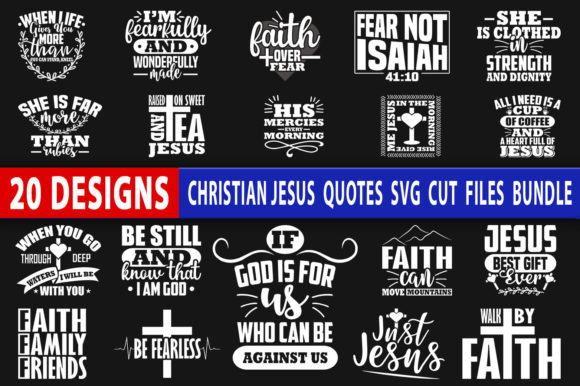
At its core, the Blessed Mama - Christian Shirt Design philosophy revolves around intentional visual communication. It’s not just about placing scripture or crosses on fabric; it’s about building a visual hierarchy that guides the eye while respecting the gravity of the message. For graphic designers, this means carefully selecting typography that feels both modern and timeless, choosing color palettes that evoke warmth and trust, and incorporating imagery that supports rather than overwhelms the narrative.
When applied to branding and logo design, this approach helps create a brand identity that feels authentic. A logo for a Christian-themed line might feature hand-lettered typefaces paired with soft, muted tones or earthy accents. These choices must be scalable—working just as well on a tiny app icon as on a large print layout. Scalability and readability are non-negotiable, especially when the design appears across digital marketing, packaging, and merchandise.
Practical Applications Across Design Disciplines
The versatility of the Blessed Mama - Christian Shirt Design aesthetic makes it suitable for a wide range of creative projects. Here are some of the most impactful applications:
- Branding and logo design: Establish a consistent visual system that includes custom typography, a defined color palette, and symbolic elements like wheat or vines.
- Marketing materials: Flyers, brochures, and posters benefit from clean compositions that let the message breathe. Avoid clutter by using generous white space.
- Social media content: Instagram posts and story templates should prioritize visual hierarchy. Use bold headlines, complementary colors, and simple backgrounds to ensure text is legible on mobile screens.
- Website and UI design: Apply the same color palette and typography from the shirt designs to landing pages and e-commerce UIs. Consistency across touchpoints builds trust and recognition.
- Editorial design: For devotionals or journals, integrate decorative elements that echo the apparel designs—think delicate borders or subtle watercolor textures.
- Packaging design: Whether for physical products or gift boxes, packaging should reflect the premium quality of the brand. Use matte finishes and minimal copy to create a tactile experience.
- Advertising campaigns: Print and digital ads can leverage the emotional weight of the design style. Pair strong imagery with concise copy to tell a story in seconds.
- Presentations: For church teams or ministry leaders, slide decks that mirror the brand’s visual language make meetings more engaging and professional.
- Merchandise: Beyond shirts, apply the aesthetic to hats, journals, mugs, and tote bags. Each product becomes a touchpoint for the brand.
- Digital products: From e-book covers to mobile app interfaces, the same typography and color rules apply. Keep designs light and airy to reflect the theme’s gentle tone.
Key Factors for Effective Design Execution
To ensure your designs align with modern aesthetics and audience expectations, focus on these critical elements:
- Consistency: Use the same brand guidelines across all projects. A cohesive system reinforces recall and professionalism.
- Readability: Test your typography at various sizes. Script fonts may look beautiful on a shirt mockup but fail in a social media thumbnail.
- Scalability: Vectorize your symbols and avoid raster images that pixelate when enlarged. This is crucial for merchandise and print design.
- Visual hierarchy: Lead the viewer’s eye from the strongest element (often the headline or central symbol) to supporting details. Use contrast and spacing to create clear focal points.
- Audience expectations: Understand the values and visual preferences of your target demographic. For faith-based designs, many viewers appreciate a balance between contemporary style and classic references.
- Compatibility with existing systems: If the design is part of a larger brand, ensure the new assets harmonize with established logos, color schemes, and typography. This avoids a disjointed user experience.
Typography, Color, and Composition as Pillars
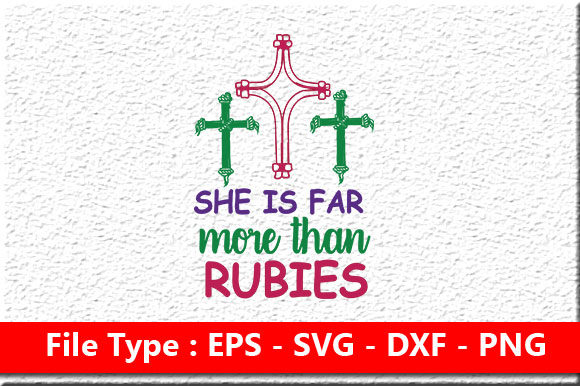
Typography in the Blessed Mama - Christian Shirt Design context often leans toward humanist sans-serifs for body text and elegant serifs or hand-drawn scripts for headlines. This combination supports both modern aesthetics and a welcoming tone. Color palettes typically feature warm neutrals like cream and taupe, accented with soft blush, sage green, or dusty lavender. These tones work well across digital channels and print formats because they evoke calmness and sincerity.
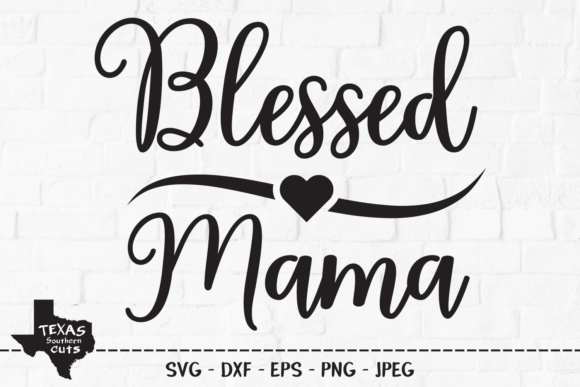
Composition should prioritize balance and negative space. A dense layout can make even the most beautiful typography feel chaotic. Instead, let each element breathe. For example, a shirt design might center a single word like “Blessed” in a graceful script, with a subtle floral element below. This approach translates seamlessly into editorial design, where clean margins and measured column widths improve UX.
When integrating these elements into UI design, remember that users scan screens quickly. Use your strongest visual elements—like a distinctive color block or a symbolic icon—as anchors. In web design, this helps guide navigation without overwhelming the user. For print design, such as postcards or magazine spreads, maintain a consistent grid to ensure alignment and professionalism.
Ultimately, the power of the Blessed Mama - Christian Shirt Design philosophy lies in its ability to blend storytelling with structure. By prioritizing thoughtful design choices—from typography and color to composition and scalability—you create assets that not only look polished but also communicate with clarity and heart. Whether you’re building a full brand identity from scratch or refining a single social media layout, remember that every element you choose contributes to the overall visual narrative. Quality creative assets do more than beautify a page; they build trust, foster recognition, and turn casual viewers into engaged supporters. In an era where attention is scarce, intentional design remains one of the most effective tools for meaningful connection.